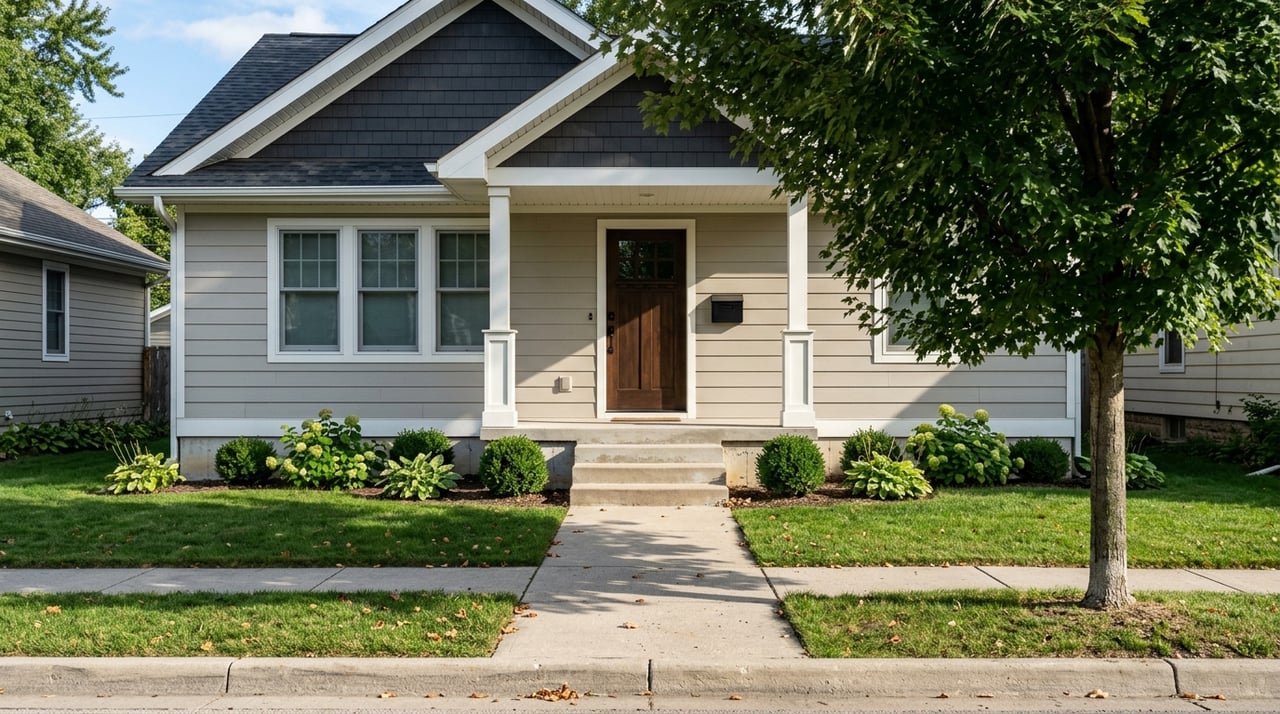
If you want a place where you can grab coffee, stroll to local shops, spend time in the park, and still stay connected to the rest of St. Louis, Kirkwood deserves a closer look. For many buyers, the challenge is finding a community that feels established and active without feeling isolated or overly spread out. Kirkwood stands out because it blends a walkable downtown, a strong park system, and a layered housing stock into one compact city. Let’s dive in.
Why Kirkwood Feels Like a Small Town
Kirkwood’s identity starts with its history and layout. The city was established in 1853 and describes itself as the first planned residential commuter suburb west of the Mississippi. That origin still shapes how the city feels today.
Kirkwood is compact at 9.18 square miles, with a 2025 population estimate of 29,331. For buyers comparing it with city neighborhoods or farther-out suburbs, that size matters. It helps create a place where daily routines can stay close to home while still offering a quick connection to the broader metro.
The numbers also support that close-in suburban appeal. The Census Bureau reports a mean travel time to work of 20.4 minutes, an owner-occupied housing rate of 77.2 percent, and a median owner-occupied home value of $451,400. Put simply, Kirkwood offers a well-established residential setting that stays practical for many commuters.
Downtown Kirkwood Is the Daily Hub
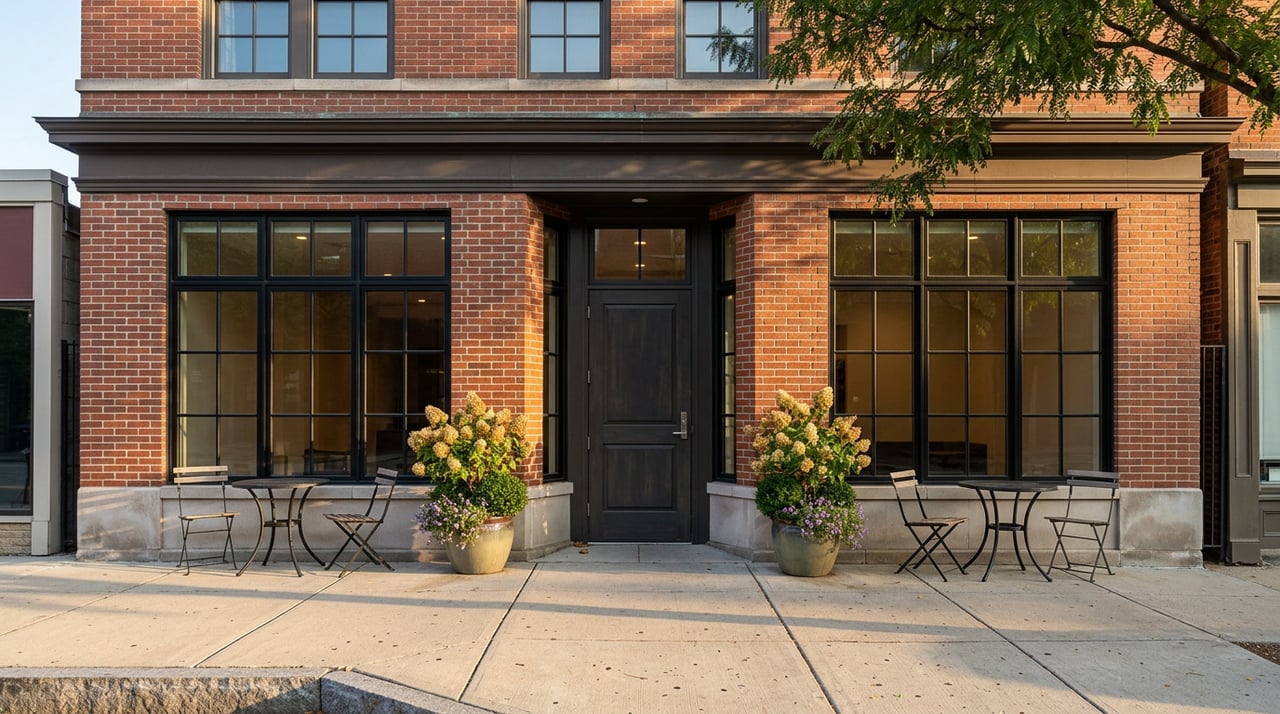
A big reason Kirkwood feels different is its downtown core. Downtown Kirkwood Special Business District describes the area as 16 walkable blocks with more than 100 specialty shops and restaurants in a pedestrian-friendly setting with turn-of-the-century buildings. That creates a real center of activity, not just a few isolated storefronts.
The district also says the Farmers’ Market is a cornerstone of the community, and the market area sits within a downtown business district with more than 300 local businesses. That matters because it gives downtown a lived-in, everyday function. You are not just visiting for dinner or a weekend errand. You can build routines around it.
For buyers who want walkability but still rely on a car, Kirkwood offers a practical balance. Downtown provides free parking in more than a dozen city-maintained lots, meter-less parking on most streets, and two-hour limits in busier areas. The district even encourages visitors to park once and walk.
Walkability Here Is Intentional
Some places feel walkable by accident. Kirkwood appears to treat it as a long-term priority. City planning materials include a Downtown Master Plan, a Downtown Commercial Market Study, and a Pedestrian and Bicycle Master Plan.
That planning background helps explain why the area feels cohesive. The walkable core is not just a historic leftover. It is supported by ongoing attention to downtown access, pedestrian movement, and the overall experience of getting around.
This is important if you are thinking beyond the listing photos. A walkable lifestyle works best when city planning continues to reinforce it over time. In Kirkwood, the public planning record suggests that effort is part of the city’s long-term direction.
The Train Station Still Shapes the City
Kirkwood’s railroad roots are still visible in the center of town. The historic Kirkwood Train Station, built in 1893, sits in the heart of downtown and still serves daily Amtrak passenger trains. That is more than a nice historic detail.
The station reflects how Kirkwood grew in the first place. The city ties its early development to a residential commuter-suburb model, rather than later auto-oriented expansion. That origin story helps explain why Kirkwood feels more connected and centered than many purely car-built suburbs.
For buyers, that can translate into a stronger sense of place. The train station, traditional street grid, and established downtown all reinforce the small-town-in-the-metro character that draws people here.
Parks and Trails Support Everyday Life
Walkable living is not just about shops and sidewalks. It is also about how easily you can fit outdoor time into your week. Kirkwood does that especially well.
The city says it has more than 300 acres of park land spread throughout the community. Kirkwood Park is a major anchor at 92 acres and includes a community center, ice arena, aquatic center, racquet center, playgrounds, picnic pavilions, athletic fields, an amphitheater, fishing at Walker Lake, and walking paths.
That range of amenities gives you options for everyday routines. You can head out for a walk, spend time by the lake, use recreation facilities, or meet friends and family in a park setting without leaving the city.
Greentree Park adds another outdoor dimension. The 89-acre park along the Meramec River includes hiking, trails, a walking path, fishing, a boat ramp, and a mile-long stretch of the Meramec River Greenway Trail. Emmenegger Nature Park adds 125 acres with internal trails, giving residents more room to explore nature close to home.
Easy Access to Trails and Green Space
Kirkwood is also a connecting point for Grant’s Trail. The Kirkwood Trailhead is located at Leffingwell and Holmes, with street connectors to Kirkwood Park. If you value biking, walking, or simply having trail access nearby, that is a meaningful advantage.
The city’s forestry program adds to the overall feel. Kirkwood has been a Tree City USA community for over 30 years, which helps explain the mature, established look of many streets. For buyers, that often shows up as a more settled streetscape and a greener day-to-day environment.
When you combine the downtown core with this park and trail network, Kirkwood starts to feel especially livable. You are not choosing between convenience and breathing room. In many parts of the city, you get both.
Housing Styles Add Character
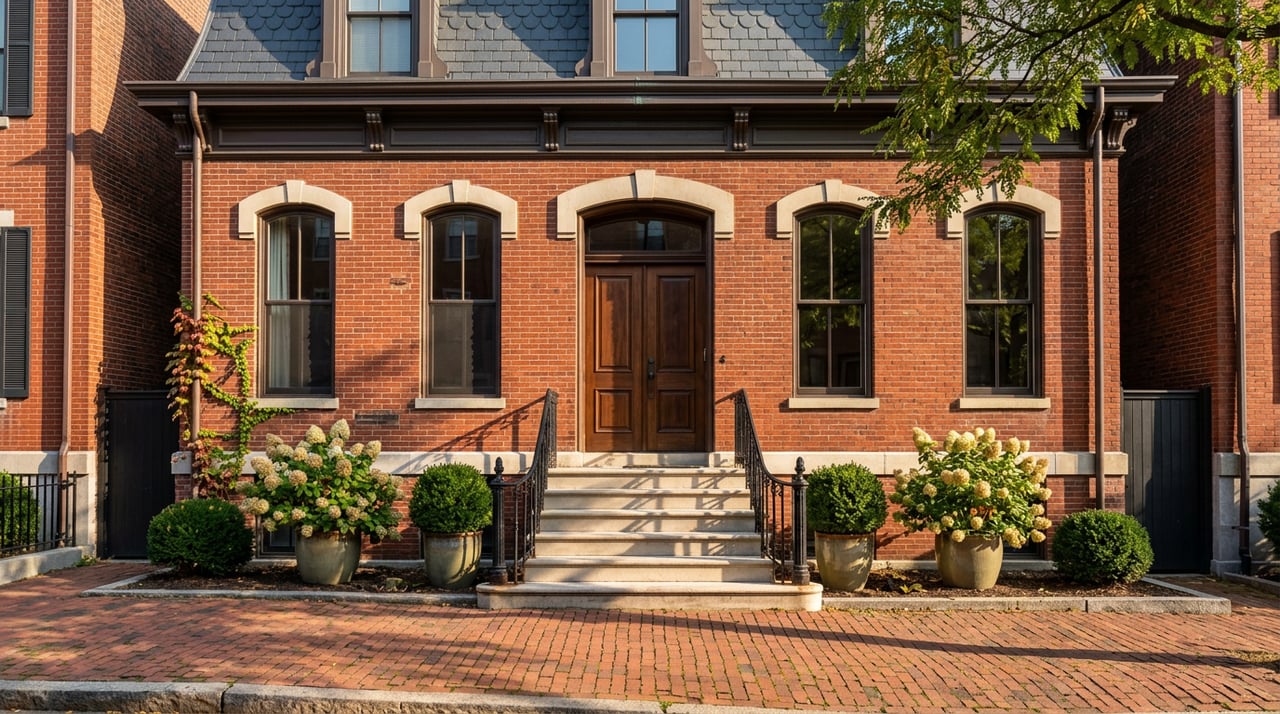
Kirkwood’s homes are part of what makes the city so appealing. Historic preservation plays a major role in the built environment, with more than 80 designated landmarks, multiple local historic districts, four National Register historic districts, and more than two dozen individually listed National Register buildings, according to city materials.
That preservation framework helps maintain the character of the city, but it does not make Kirkwood feel one-note. The local architectural guidelines identify a wide mix of home styles, including Queen Anne, Folk Victorian, Colonial Revival, Dutch Colonial Revival, Italianate, Tudor Revival, Craftsman and Bungalow, Prairie, American Foursquare, Cape Cod Revival, Ranch, Split-level, Mid-Century Modern, Usonian, and neo-traditional forms.
For buyers, that variety is a major plus. It means your search does not have to fit one architectural box. You can find streets with older homes full of period detail, areas with mid-century character, and newer construction that still aims to fit the surrounding context.
Newer Homes Still Respect the Streetscape
Kirkwood’s story is not just about preserving the past. It is also about how new homes fit into an established city. The design guidelines say infill should respect neighboring scale, roof forms, massing, windows, doors, and materials.
In practical terms, newer homes are expected to feel compatible with the block around them. The city’s examples are clear: a Craftsman or Bungalow style may not fit on a block dominated by Victorian-era architecture, and the reverse can also be true. That approach helps protect the layered look that many buyers value.
This balance is one of Kirkwood’s biggest strengths. Older neighborhoods are not frozen in time, but growth is expected to work with the existing streetscape rather than erase it. That gives the city a sense of continuity that can be hard to find.
What Buyers Should Notice in Kirkwood
If you are touring homes in Kirkwood, it helps to look beyond square footage and finishes. Pay attention to how a property connects to your day-to-day routine. In a city like this, location within the community can shape your experience as much as the home itself.
Here are a few smart things to notice as you explore:
- Distance to downtown Kirkwood and its walkable blocks
- Access to parks, trails, and recreation spaces
- The architectural rhythm of the surrounding street
- Whether a newer home feels integrated with nearby properties
- How easy it is to combine car convenience with walkable errands
These details often reveal why one part of Kirkwood feels especially right for your lifestyle. They also help you compare homes in a more meaningful way than price alone.
Why Kirkwood Appeals to So Many Buyers
Kirkwood works because several strengths come together at once. You get a compact city with a true downtown, a railroad-era development pattern, extensive parks and trails, and a housing stock that reflects many different eras of neighborhood growth. That combination is what creates the small-town feel people talk about.
Just as important, the city seems to support those qualities on purpose. Planning efforts, preservation standards, downtown investment, and public green space all reinforce the same idea. Kirkwood is not trying to be everything at once. It is leaning into what already makes it distinct.
If you are considering a move to Kirkwood, it helps to have a guide who understands how neighborhood character, home style, and daily convenience all affect long-term value. Whether you are buying your first home in the area or preparing to sell a property that deserves thoughtful positioning, Adam Briggs offers hands-on, principal-led guidance backed by deep St. Louis market knowledge and a polished marketing approach.
FAQs
What makes Kirkwood, Missouri feel walkable?
- Kirkwood has a 16-block downtown core with more than 100 specialty shops and restaurants, a central Farmers’ Market, easy parking, and city planning efforts that support pedestrian and bicycle access.
What is downtown Kirkwood like for everyday living?
- Downtown Kirkwood functions as more than a shopping area. It serves as a daily hub with local businesses, restaurants, community activity, and a layout that encourages you to park once and walk.
What parks and trails are available in Kirkwood?
- Kirkwood offers more than 300 acres of park land, including Kirkwood Park, Greentree Park, Emmenegger Nature Park, and access to Grant’s Trail through the Kirkwood Trailhead.
What types of homes can you find in Kirkwood?
- Kirkwood includes a broad mix of home styles such as Victorian-era forms, Colonial Revival, Tudor Revival, Craftsman and Bungalow, Prairie, Ranch, Split-level, Mid-Century Modern, and newer neo-traditional homes.
How does Kirkwood handle new construction in older neighborhoods?
- City design guidelines say infill should respect neighboring scale, roof forms, massing, windows, doors, and materials, helping newer homes fit the established streetscape.
Is Kirkwood a good fit if you want both small-town character and metro access?
- Kirkwood’s compact size, historic downtown, daily Amtrak service, established neighborhood pattern, and short average commute time support its reputation as a small-town-feeling suburb within the St. Louis metro.