If you want your Chesterfield home to stand out, good timing alone is not enough. Buyers in this market are quick to compare condition, presentation, and price, especially when listings are easy to study online before they ever schedule a showing. The good news is that you do not need a massive remodel to make a strong impression. With the right prep, you can highlight your home’s best features, avoid common distractions, and launch with more confidence. Let’s dive in.
Why prep matters in Chesterfield
Chesterfield sits in a higher-value suburban segment, and that shapes buyer expectations from the start. Recent market data showed a median sale price of $529,726 in April 2026, with homes averaging about 31 days on market and receiving around three offers. At the same time, 20.8% of sales had price drops, which is a reminder that presentation helps, but it does not replace realistic pricing.
This is also a market where online first impressions carry real weight. Census data shows very high household computer and broadband use in Chesterfield, which means many buyers will judge your home through photos and video before they ever step inside. If your home looks clean, bright, and well cared for online, you start ahead.
Focus on the highest-impact updates
If you are getting close to listing, prioritize the work buyers notice first. National staging research points to three top recommendations for sellers: decluttering, cleaning the entire home, and improving curb appeal. Those steps tend to give you the best return on time and money because they affect every showing and every photo.
Many sellers have lived in their home for years and simply stop noticing minor wear. Scuffed paint, overfilled shelves, aging light fixtures, and crowded surfaces can all make a home feel more tired than it really is. A fresh-eye walkthrough can help you spot what a buyer will see right away.
Start with a short punch list like this:
- Deep clean every room
- Remove excess furniture and personal items
- Touch up paint and wall scuffs
- Replace burned-out bulbs and refresh lighting where needed
- Clean windows and mirrors
- Tidy landscaping and the front entry
- Fix small cosmetic issues like loose hardware or damaged caulk
Start with the rooms that matter most
Not every space needs the same level of attention. Staging research shows the rooms most often prioritized are the living room, primary bedroom, dining room, and kitchen. In most homes, these are the rooms that shape a buyer’s emotional response and help define value.
Living room presentation
Your living room should feel open, comfortable, and easy to understand. Remove extra chairs, bulky decor, and anything that blocks sightlines. If the room feels crowded, buyers may assume the home has less space than it actually does.
Keep styling simple and polished. A few well-placed pieces can help the room feel finished, but too many accessories can distract from the architecture, natural light, or flow into nearby spaces.
Kitchen details buyers notice
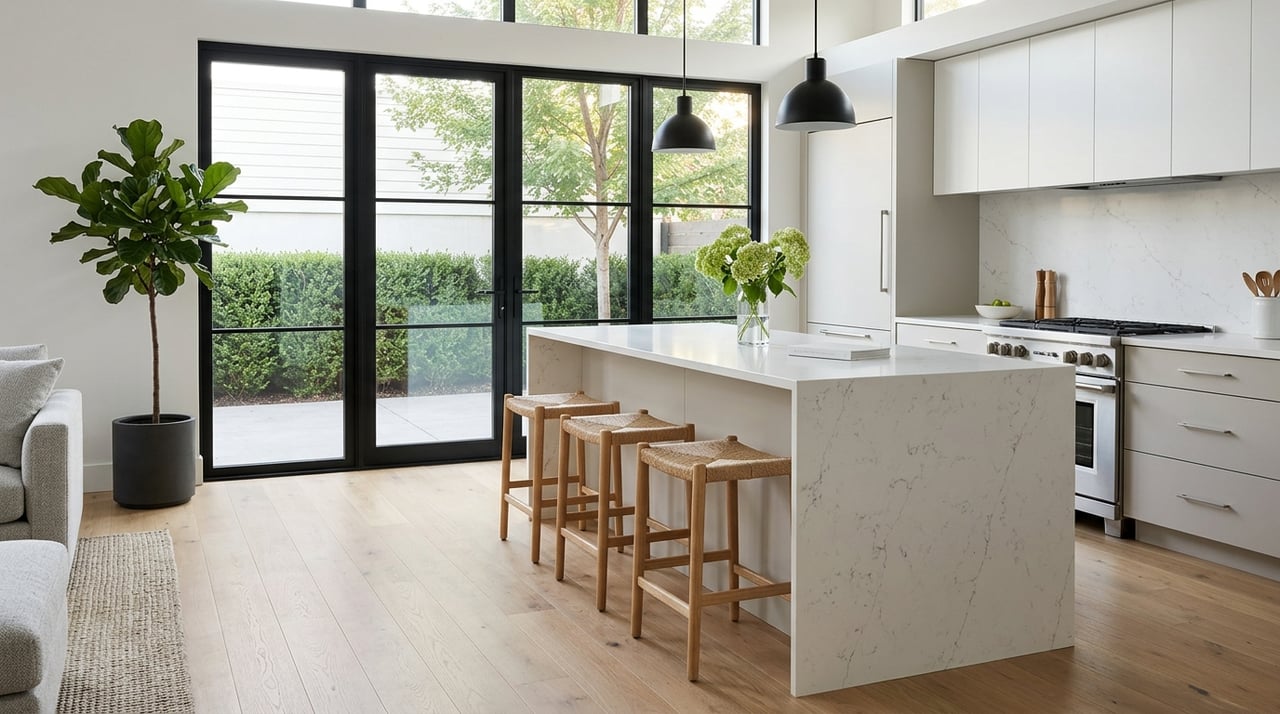
In the kitchen, clear counters matter more than most sellers expect. Leave only a few intentional items out and put away anything that reads as daily clutter. Buyers want to see prep space, storage potential, and cleanliness.
This is also a good place for easy cosmetic improvements. Fresh bulbs, clean grout, polished fixtures, and a spotless sink can make the space feel more current without taking on a full renovation.
Primary bedroom calm
The primary bedroom should feel restful and spacious. Use simple bedding, reduce visual clutter, and remove overly personal decor. The goal is not to erase character, but to create a calm room that photographs well and feels easy to move into.
Dining room and entry flow
Your dining room and front entry help set the tone for the rest of the showing. Keep these spaces open and neat so buyers can move through the home naturally. Even small changes, like removing an oversized rug or extra furniture piece, can improve flow.
Do not overlook curb appeal
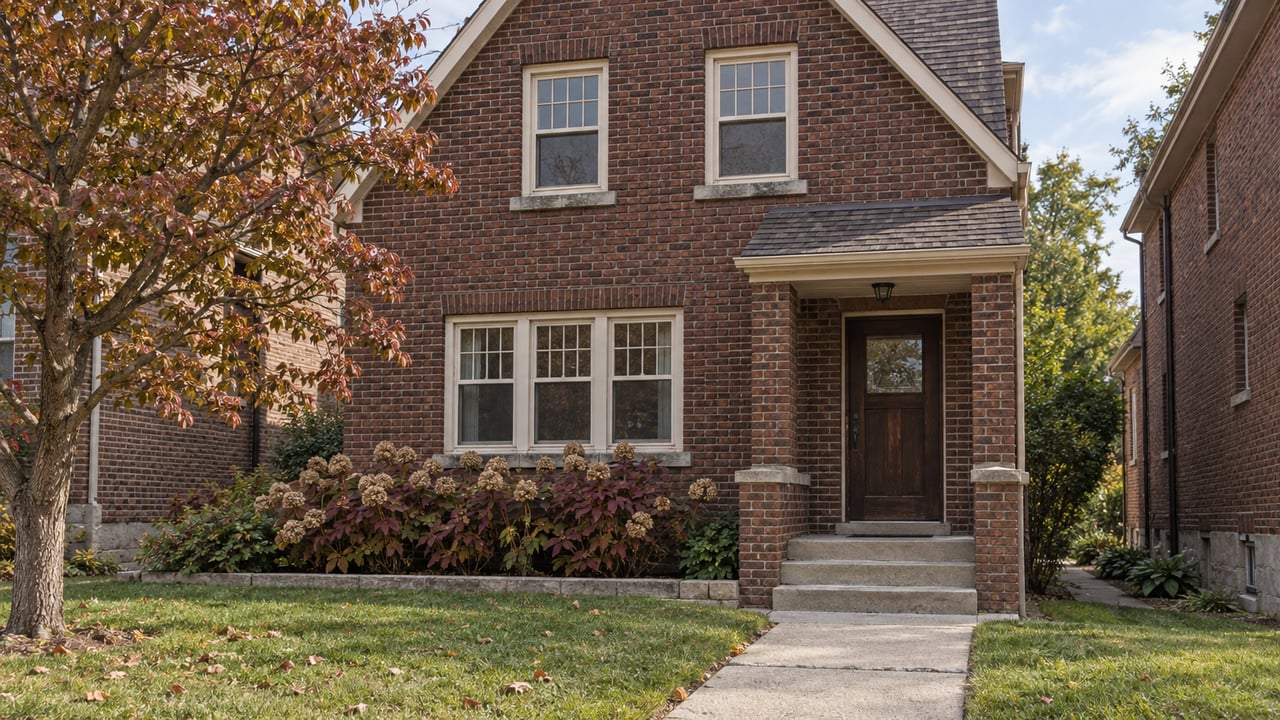
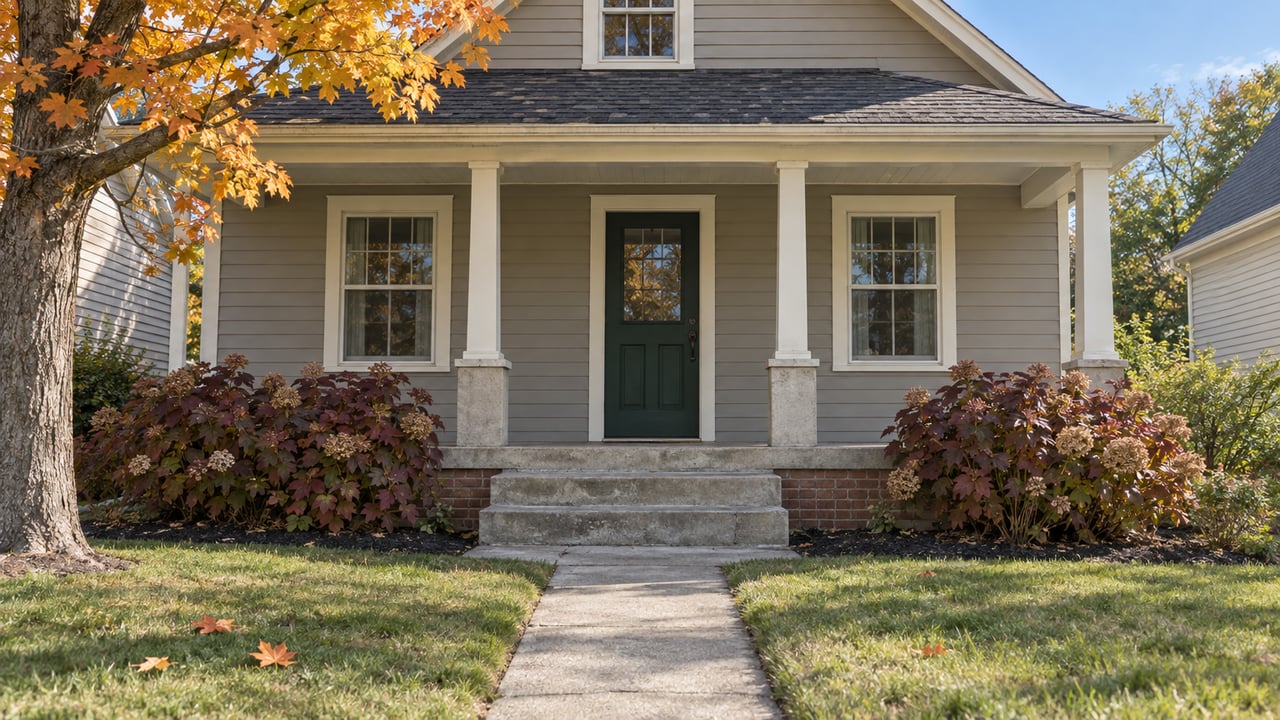
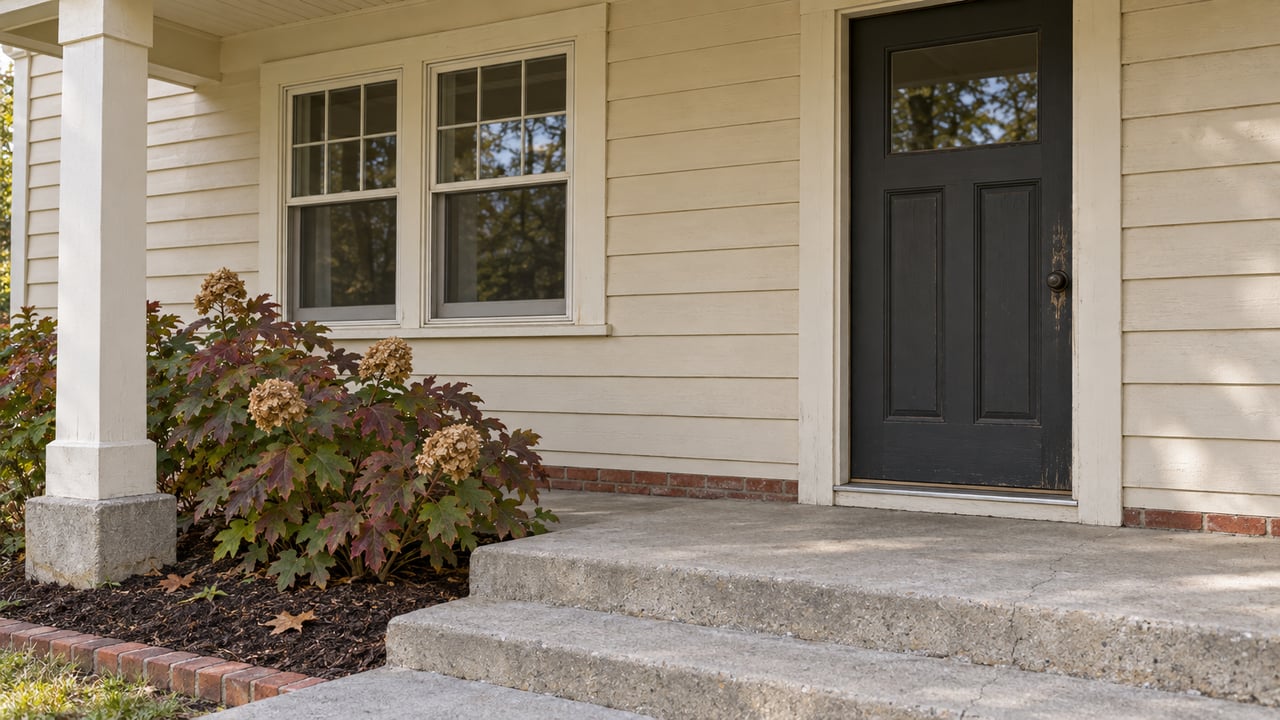
The exterior sets expectations before buyers walk in. A clean front entry, trimmed landscaping, fresh mulch, and a pressure-washed walkway can immediately make the home feel more cared for. In a market like Chesterfield, that first impression matters because buyers often arrive with high expectations already shaped by the listing photos.
You should also think beyond the front door. Chesterfield’s parks, trails, and outdoor amenities support the idea of outdoor living, so patios, decks, and backyards are worth preparing as usable spaces. Clean furniture, tidy planters, and a simple seating setup can help buyers picture how they would enjoy the space.
Stage for real life, not for TV
Today’s buyers often expect homes to look highly polished, yet many are disappointed when real homes fall short of what they imagined. That is why the best strategy is a polished but realistic look. You want your home to feel elevated, not over-styled.
Staging works best when it combines cleaning, decluttering, repairing, depersonalizing, and a few smart updates. That gives buyers room to picture themselves in the space while still seeing a home that feels warm and lived in.
If your home is vacant, light furnishing can help rooms feel more inviting and easier to understand. Empty rooms can look smaller in person and in photos. Virtual staging can be useful in some cases, but it works best as a supplement, not a substitute for real preparation.
Pair staging with strong media
Staging and marketing should work together. Research shows buyers and sellers both place high value on listing photos, and many also respond to video and virtual tours. In Chesterfield, where broadband use is very high, your online presentation is not a bonus. It is a core part of the sale strategy.
That means your prep should be done with photography in mind. Rooms should be clean, bright, and consistently styled so the listing feels cohesive from one image to the next. A well-prepared home paired with professional photography and video can create stronger interest before the first showing.
For many sellers, this is where a marketing-first approach makes a difference. Adam Briggs builds listing launches around the pieces that matter most to buyers today, including professional photography, video, staging guidance, and broad exposure designed to help your home stand out.
Keep your budget focused
You do not have to spend heavily to make meaningful improvements. Research shows the median cost of a staging service was $1,500, while agent-led staging averaged $500. That range is helpful if you want a polished result but still want to be selective with your spending.
In most cases, your best investment is not a major remodel right before listing. It is targeted work that improves appearance, flow, and photo quality. Cleanliness, fresh paint touch-ups, lighting, curb appeal, and smart staging usually have more impact than expensive last-minute upgrades.
Price and prep should work together
A beautifully prepared home can help you attract attention and make a stronger impression, but buyers still respond to pricing. In Chesterfield, a meaningful share of listings still see price drops, even in a market where some homes sell above list price. That is why the strongest launch combines thoughtful preparation with a pricing strategy grounded in current market conditions.
When those two pieces align, you give yourself a better chance to generate early interest, avoid sitting on the market, and protect your negotiating position. Prep is there to support value, not to create value out of thin air.
A simple pre-listing checklist
If you want a practical plan, start here:
- Deep clean the entire home
- Declutter closets, counters, and visible storage areas
- Touch up paint and minor cosmetic flaws
- Refresh lighting and replace burned-out bulbs
- Improve curb appeal and tidy outdoor spaces
- Stage the living room, kitchen, primary bedroom, and dining room first
- Schedule professional listing photos and video after prep is complete
If you are considering work beyond cosmetic updates, Chesterfield’s city resources include Planning Department information on building permits and re-occupancy permits. For most sellers, though, the biggest wins come from presentation, not heavy pre-sale construction.
A standout sale usually starts long before your home hits the market. If you want clear guidance on what to fix, what to skip, and how to present your Chesterfield home with confidence, Adam Briggs can help you build a smart, polished listing plan from day one.
FAQs
What should sellers prioritize before listing a Chesterfield home?
- Start with deep cleaning, decluttering, touch-up paint, better lighting, curb appeal, and staging the main living areas.
Which rooms matter most when preparing a Chesterfield home for sale?
- Focus first on the living room, primary bedroom, dining room, and kitchen, since these spaces often shape a buyer’s first impression.
Does staging really help a Chesterfield home stand out?
- Yes. Staging helps buyers understand the space, picture living there, and respond more positively to photos, video, and in-person showings.
Should you renovate before selling a Chesterfield home?
- Usually, sellers see more benefit from cosmetic improvements and strong presentation than from major last-minute remodels.
Why do listing photos matter so much for Chesterfield home sales?
- Because many buyers in Chesterfield are likely to view homes online first, professional photos and video can strongly influence whether they schedule a showing.