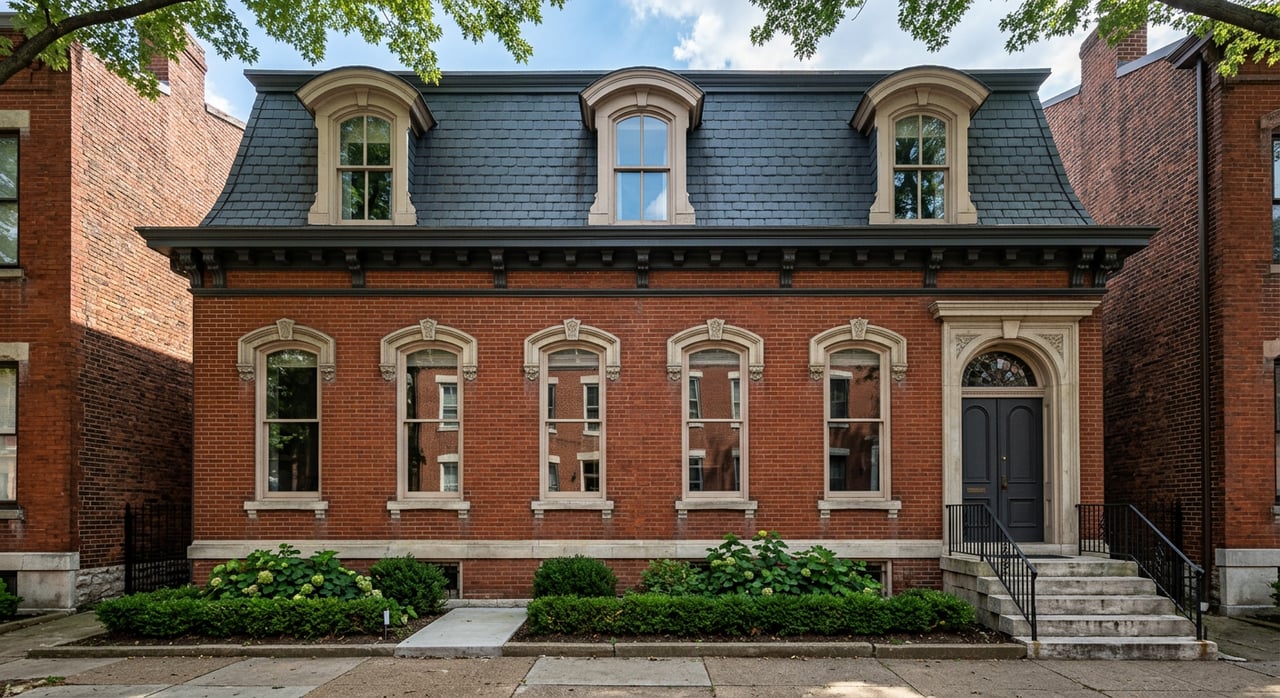
You fall in love with the mansard roofs and bay windows first, then you picture Saturday coffee before a lap around the park. If Lafayette Square has caught your eye, you are not alone. This neighborhood blends 19th‑century character with a practical, walkable lifestyle that still feels close to downtown. In this guide, you will learn what defines these historic homes, how today’s prices stack up, what renovations to expect, and how to navigate approvals with confidence. Let’s dive in.
Why Lafayette Square stands out
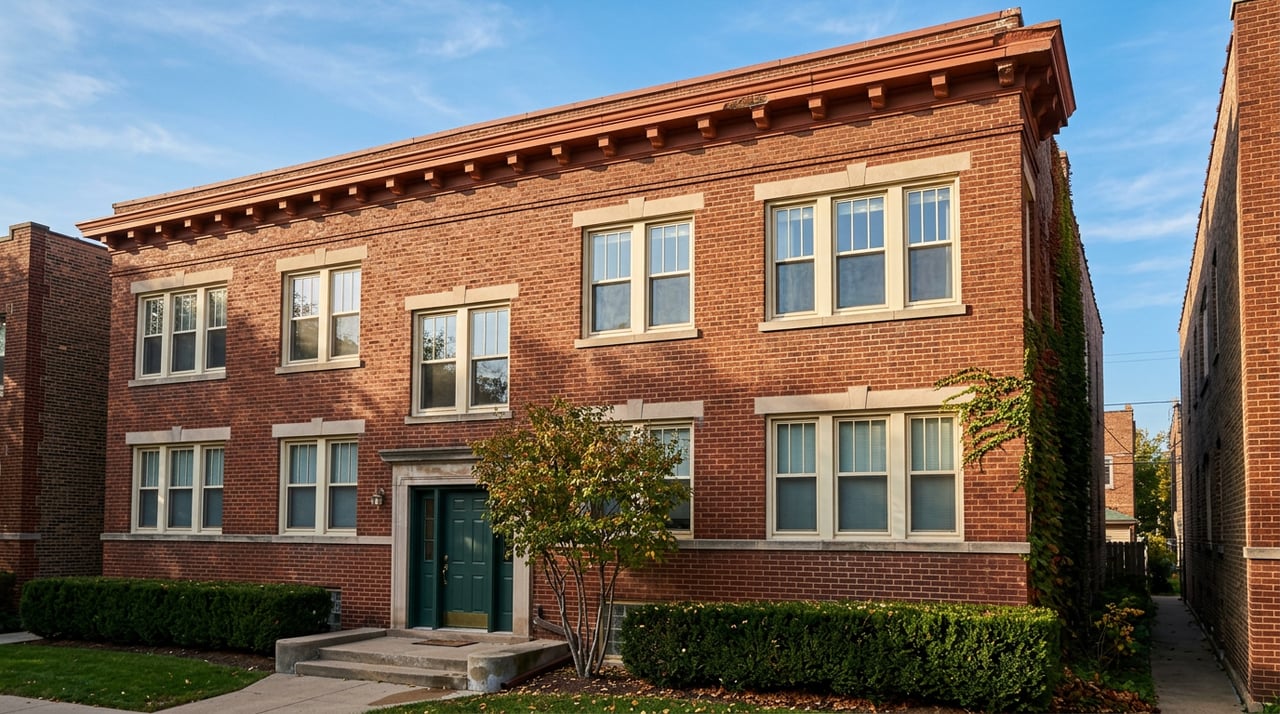
Lafayette Square is a designated City of St. Louis local historic district known for Victorian and Second Empire townhouses with mansard roofs, ornate cornices, and rich brickwork. The City of St. Louis Cultural Resources summary outlines the neighborhood’s historic district status and character-defining features you see on nearly every block. You can explore that overview on the Lafayette Square Historic District page.
At the center is roughly 30-acre Lafayette Park, documented by the Lafayette Park Conservancy’s history. The park’s paths, ponds, and events knit the neighborhood together and give many homes leafy views. If you are comparing areas, remember Lafayette Square sits in St. Louis City boundaries, not St. Louis County.
Market snapshot for 2025
Key numbers at a glance
As of December 2025, one major portal reported a median list price around the mid $300Ks with a sale-to-list ratio near 99 percent and a median of about 90 days on market. That same snapshot labeled the area a buyer’s market that month. Because Lafayette Square is a small, low-inventory neighborhood, a few high-end or entry-level condo listings can swing medians month to month. Always pair headline figures with on-the-ground comps before you act.
What your budget buys
- Around $250K to $350K: often smaller condos or townhome-style units, sometimes updated, sometimes ready for a refresh.
- Around $400K to $800K: renovated Victorian rowhouses and many turn-key park-adjacent homes with updated kitchens and baths.
- $800K to $1.3M and above: larger single-family mansions or multi-unit compounds, especially park-front or on larger lots.
These ranges reflect recent listing activity and illustrate the spread you will see when you tour. Well-prepared, park-facing homes often draw stronger interest even when the broader market tilts to buyers.
Renovation realities for historic homes
Three paths to update
- Cosmetic and light: fresh paint, flooring, fixtures, and minor tune-ups. Typical for move-in-ready condos and many updated townhouses.
- Systems and moderate: new HVAC, panel upgrades, plumbing updates, and a new kitchen or bath. Costs vary widely with scope and finishes. For ballpark job sizes, review the Remodeling Magazine Cost vs. Value benchmarks in this Cost vs. Value report.
- Full rehab with preservation: structural repairs, masonry repointing, cornice or mansard work, window restoration, and possible abatement. Specialized trades and historic techniques add time and cost, but they protect value.
Common items to inspect
Expect a close look at masonry and mortar joints, decorative cornices and trim, mansard roof systems and flashing, original wood windows, older chimneys, and legacy electrical or plumbing. The National Park Service recommends repair over wholesale replacement for many character-defining features. For technique deep-dives on windows and weatherization, see this NPS brief on weatherizing historic windows and doors. For broader topics, bookmark the NPS preservation by topic index.
Approvals and what they cover
Because Lafayette Square is a local historic district, exterior changes visible from the street usually require review and a Certificate of Appropriateness through the City’s Cultural Resources Office. That includes masonry cleaning or repointing, windows, rooflines or dormers, porches, and sometimes paint on masonry. Interior work is typically not reviewed. Start early and align scope with the City’s Lafayette Square guidelines to avoid delays.
Cost, value, and tax credits
When you plan updates, use the Cost vs. Value report to frame order-of-magnitude budgets and typical resale recoupment by project type. Historic-sensitive work can run higher than generic remodeling, but careful repair of original windows, cornices, and brick often preserves authenticity that buyers value later.
For incentives, the federal 20 percent Historic Tax Credit applies to certified income-producing properties, not owner-occupied primary residences. Missouri also operates a Historic Preservation Tax Credit with specific eligibility rules, caps, and an application process. Review the current program details on the Missouri Historic Preservation Tax Credit page and consult a tax advisor before assuming eligibility.
Lifestyle on Park Avenue
A big part of the draw is what you can walk to. Along Park Avenue, you will find local anchors like Park Avenue Coffee’s Lafayette Square location and Square One Brewery & Distillery. The Conservancy also organizes improvements and events in Lafayette Park, which you can learn more about in their park history and mission. The result is a neighborhood that pairs design-rich streetscapes with easy everyday routines.
Buyer tips and your timeline
- Get clear on your must-haves. Decide if you want park-front, a finished renovation, or a home you can customize over time.
- Budget for the age of the house. Add a 10 to 20 percent contingency for older-home surprises and align scopes to the district’s standards.
- Plan approvals early. If you expect exterior work, schedule a consult with the City’s Cultural Resources Office before you finalize drawings.
- Bring the right pros. Licensed inspectors with historic-home experience, preservation-minded contractors, and, when needed, structural engineers can save time.
- Track the market weekly. Low inventory means listings move in bursts. A quick alert setup and pre-approval give you an edge when the right home appears.
Ready to explore Lafayette Square or compare options across the city and suburbs? You get direct, principal‑led guidance, polished marketing for sell-buys, and a vetted vendor network when you work with Adam Briggs. Let’s build a plan around your goals.
FAQs
Where exactly is Lafayette Square located?
- Lafayette Square is a City of St. Louis neighborhood and local historic district centered on Lafayette Park, not in St. Louis County.
What are current home prices in Lafayette Square?
- As of December 2025, median listing prices were in the low to mid $300Ks with wide variation month to month due to small inventory and mixed property types.
Do I need approval to replace windows or alter the exterior?
- Yes, most exterior work visible from the street requires review and a Certificate of Appropriateness under the City’s Lafayette Square historic district standards.
What renovations add value in historic homes?
- Kitchens, baths, and systems updates often help function, while preserving original windows, cornices, and brickwork protects character that buyers seek long term.
Are there tax credits for owner-occupied rehabs?
- The federal credit targets income-producing properties, while Missouri’s Historic Preservation Tax Credit may apply to certified projects that meet program rules.
How long do homes take to sell in this area?
- A December 2025 snapshot showed a median around 90 days, but well-priced, renovated, park-facing homes can move faster. Always check fresh comps before you act.