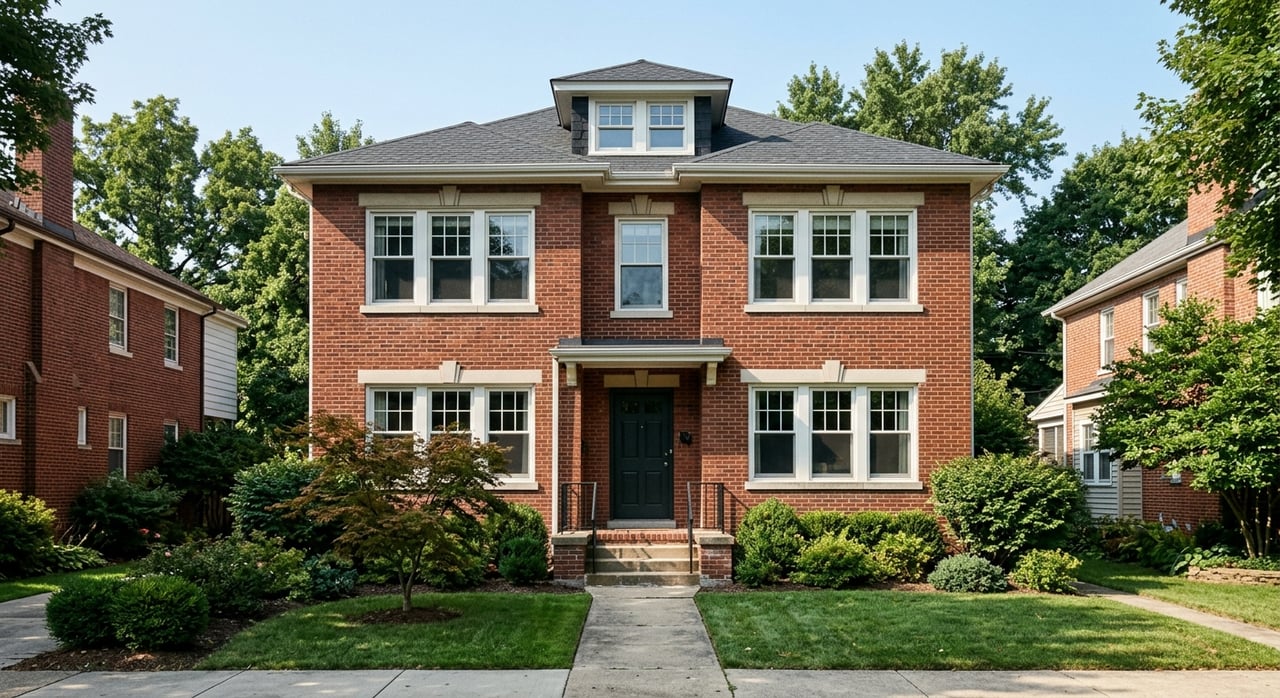
If you are thinking about buying rental property in University City, the opportunity is real, but so is the homework. This is a market with steady renter demand, strong ties to Washington University, and a dense inner-ring suburban layout that can reward well-bought duplexes, small multifamily buildings, and carefully underwritten houses. In this guide, you will learn what drives rental demand, how to think about rent comps, and which local rules can shape your timeline, costs, and returns. Let’s dive in.
Why University City Draws Investors
University City stands out because it combines density, walkability, and a renter-heavy housing mix in a relatively small area. According to Census Reporter’s University City profile, the city has 34,685 residents across 5.9 square miles, with a median age of 36.9. That kind of profile can support consistent rental activity, especially compared with lower-turnover suburban areas.
Another key factor is the local renter base. RentCafe’s market data estimates that about 45% of households in University City are renter-occupied. For you as an investor, that suggests a market where leasing strategy, maintenance standards, and tenant turnover planning matter from day one.
WashU Supports Rental Demand
Washington University is one of the biggest demand drivers in and around University City. The university reported 15,198 students enrolled in spring 2025, and WashU Medicine lists 13,308 total employees. That creates demand from more than one renter segment, including students, faculty, staff, residents, and medical workers.
That variety matters because it can reduce your dependence on one type of tenant. A property near key employment and campus-adjacent areas may appeal to renters looking for convenience, not just student housing. That broader pool can be helpful when market conditions shift.
The area also benefits from destination appeal. The University City community profile highlights the Delmar Loop as a five-block district near Washington University with restaurants, galleries, specialty shops, the Tivoli Theater, and a farmers market. For many renters, that mix of daily convenience and entertainment helps support demand.
New Development Can Change the Equation
University City is not just an older housing market with fixed supply. The city’s Market at Olive development page describes an approximately 50-acre, $211 million mixed-use project that may include apartments, retail, offices, restaurants, and hospitality. That means you should not underwrite the market as if nothing new is coming.
New supply can create more competition, especially for updated units. At the same time, reinvestment can support the area’s long-term appeal. If you are buying today, it is smart to think about how your property will compete a few years from now, not just at closing.
What Rents Look Like Today
Rent benchmarks in University City are useful, but they are not one-size-fits-all. As of mid-April 2026, Zillow’s rental market trends showed an average rent of $1,700 across all bedroom counts and property types. RentCafe reported a lower average apartment rent of $1,574 as of March 24, 2026.
Those numbers are different because the data sets are different. That is normal. The key takeaway is that you should use multiple benchmarks and match them to the property type you are buying.
Bedroom-Level Rents Matter More
If you are underwriting a duplex, triplex, or rental house, bedroom-level data is usually more useful than a citywide average. RentCafe reported these average apartment rents in University City:
- Studio: $1,150
- One-bedroom: $1,378
- Two-bedroom: $1,583
- Three-bedroom: $2,283
The same RentCafe data also shows that 64% of rentals fall between $1,001 and $1,500 per month. That can help you think about where a renovated but modest unit may fit in the market.
If you are evaluating small multifamily or house-style rentals, be careful not to force apartment data onto a different product type. The research shows that asking-rent sources use different methods, so conservative underwriting is the safer move.
How to Underwrite Small Multifamily
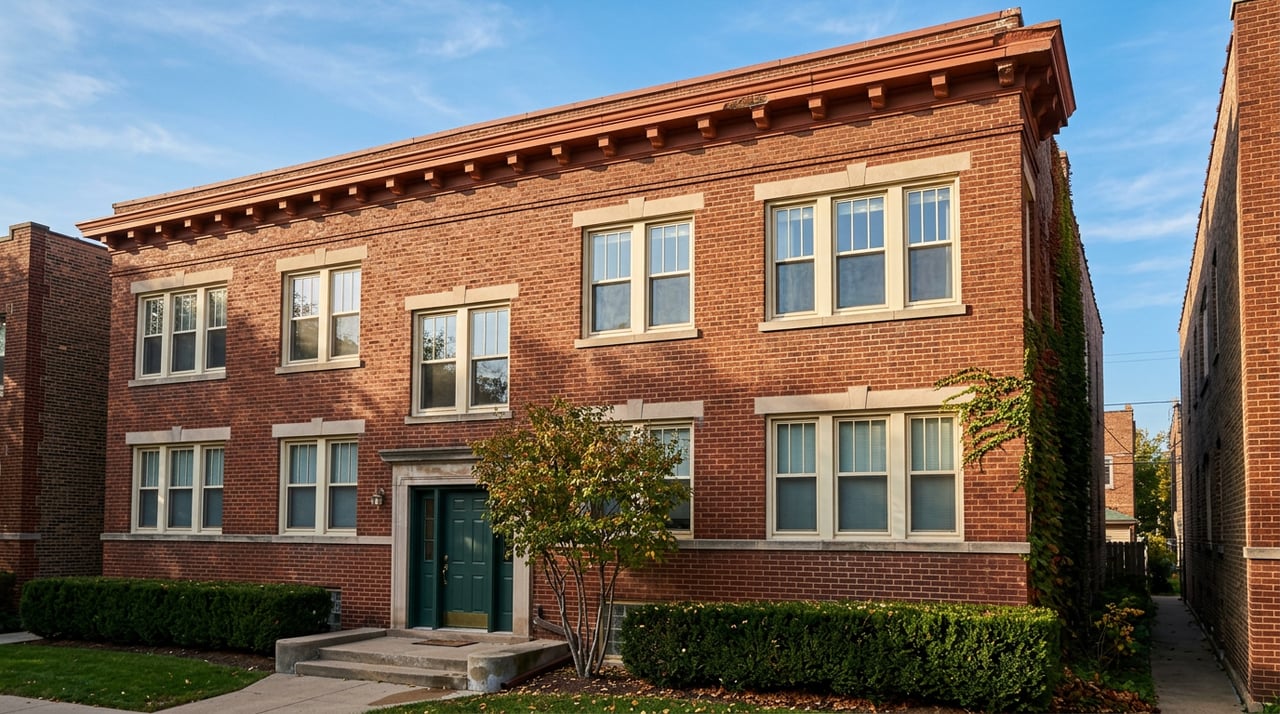
In University City, duplexes and smaller buildings should usually be underwritten against comparable units by bedroom count, condition, parking, age, and layout. A renovated two-bedroom in a small brick building may not compete with a larger apartment complex the same way. It may also lease differently than an older single-family rental house.
This is where many investors get too optimistic. Instead of plugging in the highest citywide average rent you can find, build your numbers around a realistic range. That approach gives you more room for vacancy, turnover, and competition.
Watch Metro Vacancy Trends
Broader metro data can also help frame risk. Cushman & Wakefield’s St. Louis multifamily market reports reported multifamily vacancy of 9.6% in Q2 2024 and 10.6% at the end of 2025. The same Q4 2025 report noted that University City had 259 multifamily units under construction.
That does not mean demand is weak. It means you should plan for competition and avoid assuming instant lease-up at top-of-market rent. Strong assets can still perform well, but pricing and presentation matter.
Student Rentals Need Extra Care
Student-oriented rentals can make sense near Washington University, but you need to be careful with occupancy assumptions. University City’s code says a dwelling unit cannot exceed bedroom-based occupancy limits. For single-family occupancy, the rule limits the unit to a single family or up to three non-transient adults plus their dependents living together as one housekeeping unit, according to the city code.
That is a major underwriting point if you are looking at a larger house and assuming multiple unrelated tenants will share it. Before you project rent, make sure the legal occupancy plan works for that property. A deal that looks strong on paper can weaken quickly if your intended lease structure does not fit local rules.
University City Is Serious About Rental Compliance
For investors, one of the most important realities in University City is that compliance is part of operations, not just a box to check. The municipal code requires every residential property that is leased or rented to have a registered property agent. That agent must be within 50 miles, provide a real mailing address, handle day-to-day operations, and be approved to request occupancy inspections, according to the municipal code requirements.
The city’s rental brochure states that the registration fee is $30, annual renewals are $15, and the occupancy inspection fee for a rental application is $60 for two inspections, with additional inspections costing $35 each. Those are not huge numbers by themselves, but they should still be part of your operating model.
Occupancy Permits Affect Timing
The city’s FAQ page says anyone moving into University City must apply for and receive an occupancy permit before moving in, and occupancy without it is illegal. The same materials note that a conditional permit is only valid for 60 days.
For you, that means turnover timelines can be more sensitive than expected. If a unit does not pass on the first inspection, you may need repairs and a reinspection before the next tenant can legally occupy the property. That can impact carrying costs, vacancy planning, and contractor scheduling.
Older Housing Means Bigger Due Diligence
A lot of University City’s housing stock is older, which can create both opportunity and risk. A University City 3rd Ward housing analysis found that more than 75% of homes were over 50 years old. Older properties can offer character and value-add potential, but they also tend to come with more repair variables.
The city’s maintenance code highlights common issues that can delay occupancy or increase rehab costs. These include:
- Electrical hazards or undersized service
- Missing GFCI protection
- Handrail and guard issues
- Ventilation deficiencies
- Problems with hot and cold water supply
- Heating requirements of 68°F from October 1 to May 15
- Drainage problems that create nuisance water runoff
If you are buying an older duplex or house, build in a healthy repair contingency. Cosmetic updates alone may not be enough if systems, safety items, or code-related issues are lurking behind the walls.
Zoning Review Matters on Value-Add Deals
If your plan involves adding units, converting use, building new improvements, or doing a major renovation, zoning review should happen early. The city’s zoning page says the Zoning Administrator reviews site plans for new buildings and major renovations, and some uses may require a conditional use permit.
In practical terms, that means you should not assume every value-add idea will be approved just because it works financially. Pre-offer research can save you from buying a property based on a plan that is difficult or impossible to execute.
A Smart Buying Strategy in University City
If you want to invest in University City, focus on disciplined underwriting and local process. This is not the kind of market where a quick online rent estimate tells the whole story. The better approach is to line up realistic rent comps, confirm occupancy rules, and stress-test your timeline for inspections and turnover.
A strong acquisition strategy often includes:
- Verifying rent by bedroom count and property type
- Reviewing occupancy limits before assuming roommate income
- Budgeting for inspection-related repairs and reinspection fees
- Building extra rehab contingency for older housing stock
- Checking zoning early on heavy renovation or conversion plans
- Planning for competition from both older rentals and new supply
When you buy with those factors in mind, you put yourself in a much stronger position to manage risk and protect returns.
If you are looking at duplexes, small multifamily buildings, or rental houses in University City, having local guidance can make the process much smoother. Adam Briggs works with investors across the St. Louis metro and offers the kind of hands-on, market-aware support that helps you evaluate opportunities, avoid surprises, and move forward with confidence.
FAQs
What makes University City appealing for rental property investors?
- University City has a renter-heavy housing mix, demand tied to Washington University and WashU Medicine, and destination areas like the Delmar Loop that support ongoing rental interest.
What rent number should you use when buying rental property in University City?
- You should not rely on one citywide average alone. Use bedroom-level and property-type-specific rent benchmarks, then underwrite conservatively based on the building’s condition, size, parking, and amenities.
What occupancy rules matter for student rentals in University City?
- University City limits occupancy based on bedroom count, and single-family homes are limited to a single family or up to three non-transient adults plus dependents living together as one housekeeping unit.
What permits do rental property owners need in University City?
- Rental owners need a registered property agent and must go through the city’s occupancy permit and inspection process before tenants move in.
What should you inspect closely on older University City rental properties?
- Pay close attention to electrical systems, GFCI protection, handrails, guards, ventilation, water supply, heat compliance, drainage issues, and any other items that could delay occupancy or increase rehab costs.
Why is zoning review important before buying a value-add property in University City?
- If your plan includes major renovation, adding units, or changing use, zoning review helps confirm whether the project may need additional approvals or a conditional use permit before you commit to the purchase.