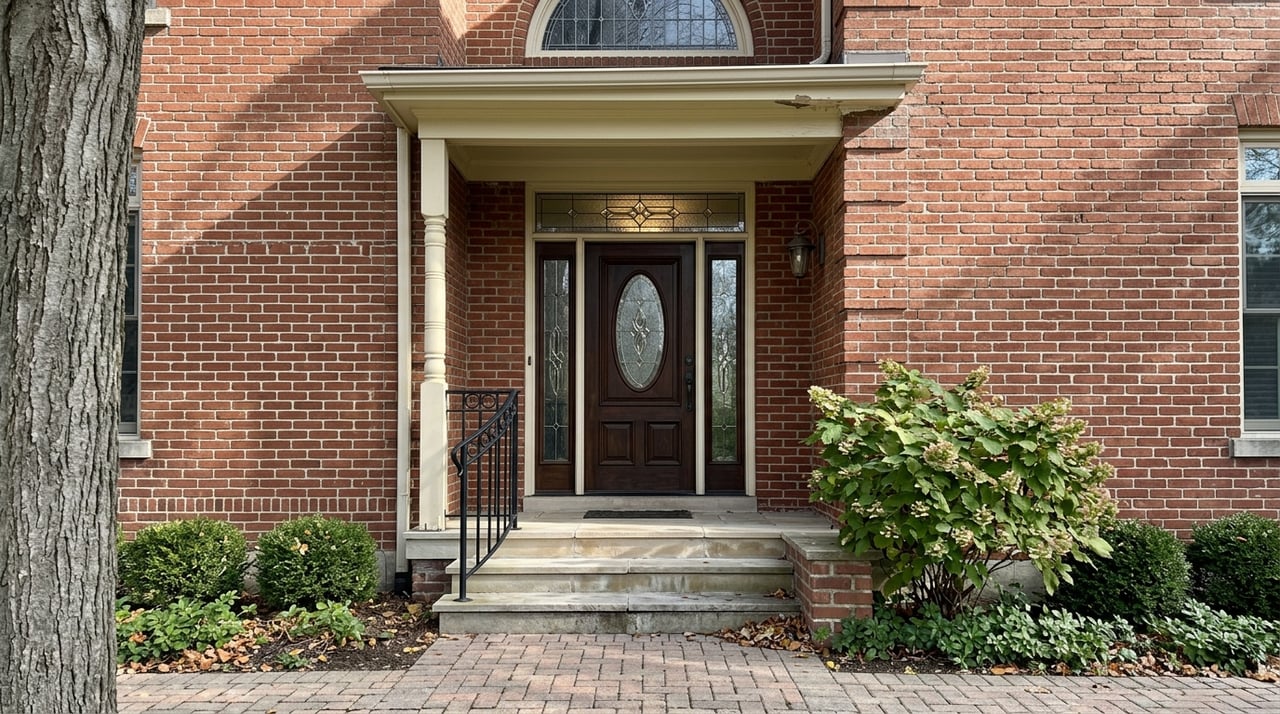
If you are house hunting in Compton Heights, the architecture is likely part of the draw. This is not a neighborhood where every home fits one neat label, and that is exactly why buyers are so interested in it. When you know what to look for, you can tour with more confidence, ask better questions, and plan for ownership more realistically. Let’s dive in.
Why Compton Heights Feels Distinct
Compton Heights is a City of St. Louis neighborhood bounded by I-44, Nebraska, Shenandoah, and Grand. The neighborhood was laid out in 1888 by Julius Pitzman, and many of the large homes most associated with the area were built in the late 1880s and early 1890s.
That original plan still shapes the way the neighborhood feels today. Curved streets, common setbacks, and space between homes create much of the visual appeal, even more than any single architectural style.
There is also a smaller area connected to the reservoir known as Reservoir Square, where some homes date to the 1860s. That means buyers may see more than one building era while touring the neighborhood.
One of the most recognizable landmarks is the Compton Hill Water Tower at the end of Shaw Avenue. Built from 1897 to 1899 and designed by Harvey Ellis, it reflects the Richardsonian Romanesque tradition and helps anchor the neighborhood visually.
Why Style Labels Matter Less Here
A lot of buyers walk into Compton Heights expecting a clean lineup of mansion styles. In reality, the housing stock is eclectic, and St. Louis preservation materials note that Victorian and turn-of-the-century houses often mix styles.
That means you should read a house by its features instead of chasing one textbook label. A single home may combine massing, rooflines, masonry, and decorative details from more than one tradition.
For you as a buyer, this is helpful. It shifts the focus from memorizing style names to understanding what you are actually buying, including the materials, upkeep, and historic character that come with it.
Queen Anne Features to Notice
Queen Anne homes often stand out because they feel lively and layered. In Compton Heights, that can mean asymmetrical facades, projecting bays, turrets, decorative brickwork, and multiple roof forms.
A local example cited by the City is 3522 Hawthorne. It includes a three-story brick form, an angled projecting bay, a tower, and bold ornament, which gives buyers a good reference point for the kind of visual complexity this style can bring.
When you tour a home with Queen Anne influence, pay attention to how much original detail remains. Decorative masonry, unusual roof shapes, and built-out features can add character, but they can also affect maintenance costs.
Richardsonian Romanesque Cues
Compton Heights is especially associated with Richardsonian Romanesque buildings. If a house leans in that direction, look for rough-cut stone, deep window openings, large round arches, and heavy, asymmetrical massing.
The City highlights 3120 Hawthorne as a local example. Even if you never see that exact home, the reference helps you identify the broad look: substantial masonry, thick-looking walls, and a strong sense of weight.
For buyers, this style often signals that the building envelope deserves close attention. Stone, brick, and arched openings can be beautiful, but repairs may require specialized materials and skilled workmanship.
Revival and Mansion Influences
Not every standout home in Compton Heights is purely Victorian. The neighborhood also includes ornate early-20th-century revival designs that borrow from German Renaissance, French-influenced high-style traditions, Tudor Revival, and Colonial Revival details.
The Stockstrom House at 3400 Russell Boulevard is one of the clearest local examples. Designed in 1907 by Ernst Janssen, it has been described in City preservation materials with both German Renaissance and Chateauesque traits, including tan brick, pink terracotta, a symmetrical composition, and a projecting central bay.
You may also see Tudor Revival cues like front gables, dormers, casement windows, and decorative half-timbering. In other homes, Colonial Revival details such as symmetry, columned porticoes, fanlight transoms, sidelights, and classical cornices may appear.
What Buyers Should Inspect First
In Compton Heights, architecture is about more than style. It is also about materials, and many of the neighborhood’s homes rely on brick, limestone, terracotta, wood windows, and complex rooflines.
Because of that, some of the biggest ownership costs often come from the building envelope. Before you fall in love with a facade, take a hard look at masonry, roofing, windows, and decorative details.
This is where a design-aware buying strategy matters. Beautiful historic homes can be excellent purchases, but they reward buyers who understand condition as well as curb appeal.
Masonry and Mortar
Look closely for cracked or missing mortar, spalling brick, patchwork repairs, and signs that water may be moving through the wall. These are not small cosmetic issues in a historic masonry home.
Preservation guidance says repointing mortar should be compatible with the masonry units and should be softer or more permeable than the masonry itself. Mortar that is too hard can damage older brick or stone over time.
If repointing has been done, ask what type of mortar was used. That one question can tell you a lot about how thoughtfully previous work was handled.
Roofs, Dormers, and Flashings
Many homes in the neighborhood have steep roofs, dormers, turrets, and other complex roof shapes. Those features are part of the charm, but they also create more places where water management matters.
Historic slate roofs can last a very long time. Preservation guidance notes that properly installed slate roofs commonly last 60 to 125 years or longer, and repair is often preferable to replacement when the slate can be saved.
As a buyer, ask whether the roof is original slate, whether repairs have been made, and whether flashings and transitions around dormers and chimneys have been maintained. Specialized roof work can be a major line item in your budget.
Windows and Original Woodwork
Original wood windows are often central to a historic home’s character, especially on the most visible elevations. Preservation guidance recommends documenting condition and exploring repair options before assuming replacement is the best choice.
For buyers, that means you should ask whether windows were repaired, documented, or replaced. If replacements were installed, try to understand how closely they match the original design and openings.
Windows are not just about looks. They can affect comfort, maintenance planning, and future review if you want to make exterior changes.
Smart Questions to Ask on Tour
When you are touring a home in Compton Heights, a few focused questions can save you time later. They can also help you compare homes that seem similar at first glance.
Ask questions like these:
- Has the masonry been repointed, and if so, what mortar was used?
- Is the roof slate, and has it been repaired rather than fully replaced where possible?
- Have the windows been repaired, documented, or replaced?
- Are there signs of past work using materials that may be incompatible with historic brick or stone?
- Has any exterior work gone through the City review process when required?
These questions help you move past surface-level charm. They also give you a clearer picture of likely near-term maintenance and future project planning.
Historic District Rules Buyers Should Know
Compton Heights is a Certified Local Historic District. For buyers, that matters because exterior work on contributing buildings is reviewed by the City’s Cultural Resources Office.
In plain terms, yes, you may be able to change the exterior, but the work is not purely a personal design decision. Review standards apply, and it is smart to understand them before you buy if you already have renovation plans in mind.
This is especially important if you are considering visible masonry work, window changes, additions, roofing changes, or other exterior alterations. Historic district review can shape both timing and scope.
Tax Credits and Rehab Planning
Some buyers are drawn to Compton Heights because they see renovation potential. In the right situation, historic preservation tax credits may help, but only if the property and project qualify.
Missouri’s Historic Preservation Tax Credit program provides a 25% credit for qualifying work in St. Louis and Kansas City, and the state says owner-occupied properties may also qualify. The City also notes that a property generally must be individually listed, contributing to a district, or within a Certified Local Historic District and contributing to it, and the project must generally meet the 50% of basis threshold.
For income-producing certified historic structures, the federal Historic Preservation Tax Incentives program generally provides a 20% credit. Buyers should also know that for tax-credit work, the state says you should wait for signed approval before starting demolition or construction.
Just as important, local historic review does not itself approve a project for tax-credit purposes. If you are buying with rehab in mind, it is worth sorting out those two tracks early.
What This Means for Your Buying Strategy
The best Compton Heights buyers balance design appreciation with practical planning. It is easy to focus on arches, towers, stonework, and grand facades, but the smartest move is pairing that excitement with a clear inspection strategy and realistic budget.
This neighborhood is not about cookie-cutter inventory. You are often evaluating one-of-a-kind homes where architecture, condition, and review rules all influence value.
That is why local guidance matters. If you want help comparing historic homes, understanding what to watch for during tours, and making sense of the tradeoffs between charm and upkeep, Adam Briggs can help you navigate the process with clear, hands-on advice.
FAQs
What architectural styles can buyers expect in Compton Heights?
- Buyers will likely see a mix of Queen Anne, Richardsonian Romanesque, ornate early-20th-century revival influences, and later Tudor Revival or Colonial Revival details rather than one uniform style.
What should buyers inspect first in a Compton Heights historic home?
- Buyers should pay close attention to masonry, mortar, roofs, dormers, flashings, windows, and decorative exterior elements because those areas often drive major maintenance costs.
What does Compton Heights historic district status mean for exterior changes?
- Compton Heights is a Certified Local Historic District, so exterior work on contributing buildings is reviewed by the City of St. Louis Cultural Resources Office.
Can buyers use historic tax credits for Compton Heights renovations?
- Potentially, yes. Missouri offers a 25% historic preservation tax credit for qualifying work, and some owner-occupied properties may qualify, but eligibility depends on the building and project scope.
Are Compton Heights homes more expensive to maintain?
- In general, buyers should expect potentially higher maintenance because many homes have historic masonry, original details, and complex rooflines that often require specialized repair approaches.