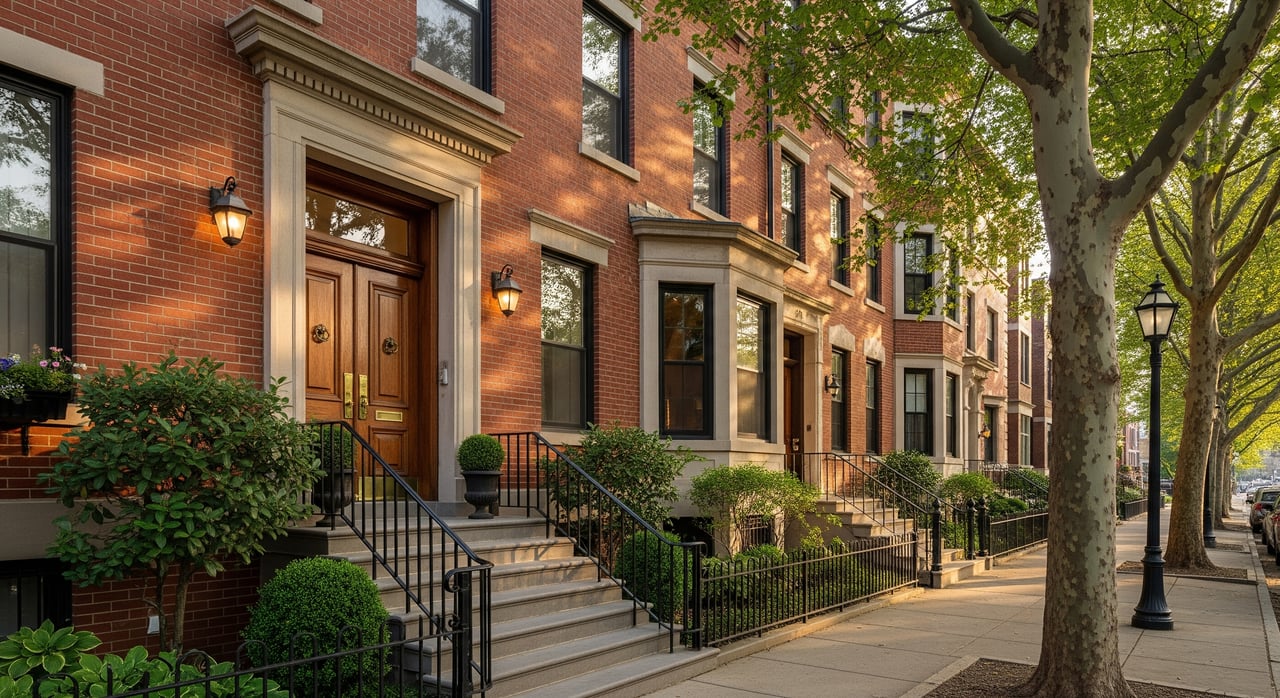
Thinking about buying a condo or single-family home in St. Louis’s Central West End? You are looking at one of the city’s most walkable, in-demand urban neighborhoods, which means listings can move quickly and pricing can feel confusing. With the right read on inventory, price per square foot, and days on market, you can shop confidently and avoid costly missteps. This guide breaks down how the Central West End (CWE) market works and shows you the buyer signals that matter most. Let’s dive in.
Why the Central West End draws buyers
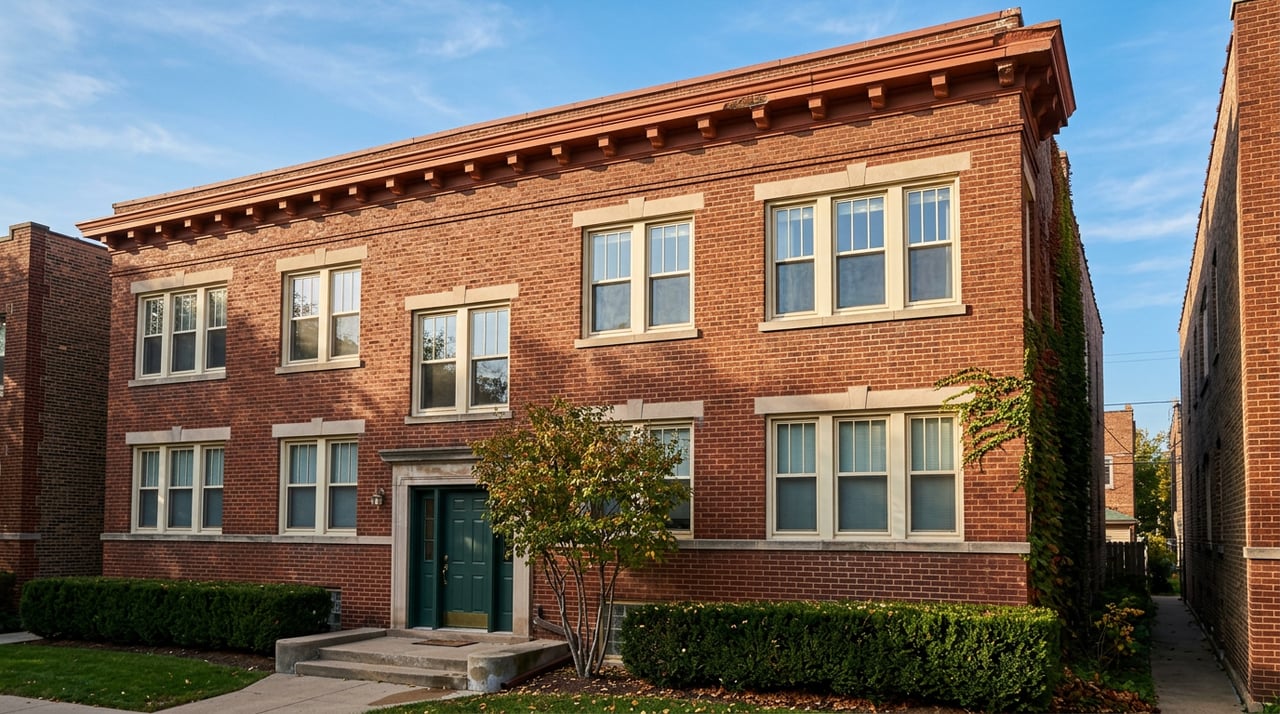
The Central West End blends historic architecture with modern convenience. You will find a higher share of condos and low-rise flats, along with townhomes and a smaller pool of single-family houses. Proximity to major hospitals and Washington University’s medical campus supports steady demand from professionals, students, and residents who value urban living.
Diverse building types create a wide price range. Pre-war walk-ups, midcentury buildings, newer infill townhomes, and luxury condo conversions all live side by side. This variety is great for selection, but it also means prices depend on amenities, renovation level, and even floor height.
Inventory signals to watch
Inventory tells you about leverage. In the CWE, the absolute number of listings is typically lower than in suburban areas because buildings are smaller and there are fewer single-family lots. Condos tend to turn over more often than single-family homes, and supply can cluster when multiple units in the same building hit the market.
Core inventory metrics
- Active listings now by property type and bedroom count
- New listings per month over the last 90 to 180 days
- Pending and closed sales to gauge throughput
- Months of inventory, calculated as active listings divided by average monthly closed sales
Use a 90 to 180 day window to smooth one-off spikes. Break out condos versus single-family and townhomes, and compare studios or one-bedrooms against two or more bedrooms. You shop by function, so the data should reflect that.
What typical CWE patterns mean
- Lower active inventory: Normal for the neighborhood. Single-family supply is tight, and condo availability varies by building.
- Condo clusters: When several units list in the same building, short-term supply can rise and press price per square foot at that specific tier.
- High turnover in condos: Amenities, parking, and fees can shift demand quickly between buildings.
Reading leverage from inventory
- Under roughly 4 months of inventory often favors sellers. Plan for faster decisions and clean terms.
- Around 4 to 6 months suggests a more balanced market. Focus on fair value and strong fundamentals.
- Over roughly 6 months often favors buyers. You may negotiate on price, timing, and concessions.
Price per square foot, explained
Price per square foot is a useful comparison tool, but it is not the whole story. In the CWE, building age, amenities, floor height, view, and monthly fees can shift value even when the numbers look similar on paper.
How to use price per square foot
- Focus on medians and interquartile ranges over the last 90, 180, and 365 days. Short windows show direction, longer windows show context.
- Compare within your segment. Look at condos versus single-family, then by bedroom count.
- Exclude ultra-high or ultra-low outliers when you want a realistic baseline. Present luxury outliers separately if needed.
Factors that move pricing in the CWE
- HOA fees and assessments: Two condos with the same price per square foot can have very different total monthly costs. Review reserves and any special assessments.
- Parking: Assigned or garage parking is a premium and often boosts both price per square foot and resale liquidity.
- Floor level and view: Upper floors or park views command premiums.
- Historic features and renovation: Restored pre-war details or fully updated interiors can lift values.
Market tempo: days on market and price cuts
Days on market (DOM) shows how fast homes go under contract. Track median DOM for recent sales and for current actives, as well as how many listings take price reductions and how quickly those reductions happen.
What DOM and reductions tell you
- Low median DOM with tight inventory can signal multiple offers. Prepare to act fast and tighten contingencies where possible.
- Rising DOM with growing inventory suggests more buyer leverage. Watch for price cuts and negotiate accordingly.
- A high share of reduced listings in a segment, such as smaller condos at a certain price tier, can indicate initial overpricing or soft demand in that niche.
Seasonality matters, but the CWE’s medical and university employment base can soften seasonal swings. You may see better selection in spring and early summer, while late fall and winter can offer more room to negotiate.
Buyer moves by market scenario
- Low DOM + low inventory: Tour early, consider pre-inspections, and be ready with strong financing.
- Moderate DOM + falling inventory: Focus on cleanly priced listings and watch new inventory weekly.
- High DOM + rising inventory: Negotiate confidently and ask for concessions where appropriate.
Smart search setup for CWE buyers
A strategic search saves time and reduces stress. Set filters that match how the CWE actually behaves.
Baseline filters for condos
- Property type: Condominium or co-op
- Bedrooms: Set your minimum; compare one-bedroom and two-bedroom segments separately
- Parking: Assigned or garage if required
- HOA fee: Set a maximum monthly level that fits your budget
- Amenities: Add must-haves like in-unit laundry, elevator, or balcony
- Days on market: Include 0 to 7 days to catch new listings if you want to move fast
- Price per square foot: Target the 25th to 75th percentile range from recent solds in your segment
Baseline filters for single-family and townhomes
- Property type: Single-family detached or townhome
- Lot size and parking: Filter if a yard or garage matters
- Year built: Set a minimum if you want newer systems
- Bedrooms and bathrooms: Match your functional needs
- Price per square foot: Use recent median and interquartile ranges for your target segment
Alerts and offer triggers
- Save your search using the neighborhood boundary, not just a ZIP code
- Set instant alerts for new listings and price changes
- Define offer rules with your agent:
- If DOM is over 45 days and a listing has cut price by 3 to 5 percent, consider an initial offer below list, subject to current comps
- If the sale-to-list ratio is near or above 100 percent in your segment, prepare for escalation language and shorter timelines
- Always calculate total monthly cost that includes mortgage, taxes, HOA fees, and parking
Smart search checklist
- Use the Central West End neighborhood polygon in your MLS
- Filter by property type and bedroom count
- Set a maximum monthly HOA fee
- Add parking and in-unit laundry filters if required
- Save alerts for new listings and price changes within 24 to 48 hours
- Predefine your financing and inspection approach based on competitiveness
Red flags and opportunities
Not all listings are equal. Look beyond list price for the signals that protect your purchase.
Red flags to investigate
- Multiple investor or resale listings in the same building that may weigh on resale values
- Frequent special assessments or low reserves in condo documents
- Unclear maintenance history or code issues in permits or disclosures
Opportunities to prioritize
- Condos with assigned parking and in-unit utilities that typically resell more easily
- Underappreciated single-family homes near parks or transit options
- Well-maintained historic units with thoughtful updates in stable buildings
How to compare CWE to nearby urban areas
When you compare Central West End to other urban neighborhoods like Midtown, Forest Park Southeast, or the Central Business District, focus on segment-by-segment proof. Compare condo versus single-family medians, price per square foot ranges, median DOM, and months of inventory over the last 90 and 180 days. Because building mix and amenities differ, side-by-side medians without segmentation can mislead.
Track price trajectory, price per square foot trend, absorption rate, the share of reduced listings, and sale-to-list ratios. Rising price per square foot with stable inventory suggests strengthening demand. Higher DOM and a growing share of reductions can signal buyer leverage.
Work with a local condo and urban specialist
Buying in the Central West End rewards preparation. You want an agent who understands building-level differences, HOA health, and micro-trends by bedroom count and amenities. With 700-plus closed transactions and more than $100 million in sales, you get principal-level guidance, responsive communication, and a data-backed process that fits how the CWE market actually moves.
From setting realistic price per square foot targets to reviewing HOA reserves and special assessments, you will have a clear framework for each decision. When you are ready to tour, we will move fast on clean, well-priced listings and stay disciplined where the data shows leverage.
If you want a tailored search with real-time metrics and building-specific guidance, connect with Adam Briggs for a private consultation.
FAQs
How much should I budget per square foot in the Central West End?
- Use recent solds in your segment over the last 90 to 180 days to set a median baseline, then adjust for parking, newer construction, high-amenity buildings, or exceptional renovation.
Are condos or single-family homes the better value in the Central West End?
- It depends on your goals. Condos often cost more per square foot but reduce maintenance, while single-family homes may offer more land and different appreciation potential. Compare total monthly carrying costs and likely resale liquidity.
How fast do I need to act on a new Central West End listing?
- If median DOM is low and the sale-to-list ratio trends near or above 100 percent in your target segment, be prepared to write quickly with clean terms. If DOM is higher and price cuts are common, you may have room to negotiate.
What hidden costs should I watch for in Central West End condos?
- Review HOA fees and special assessments, confirm parking costs, and assess any historic district maintenance requirements. Ask for HOA financials and recent meeting minutes.
When is the best season to buy in the Central West End?
- Selection often improves in spring, while late fall and winter can offer better pricing leverage. Year-round employment at nearby institutions helps steady demand, so weigh selection against potential negotiating room.