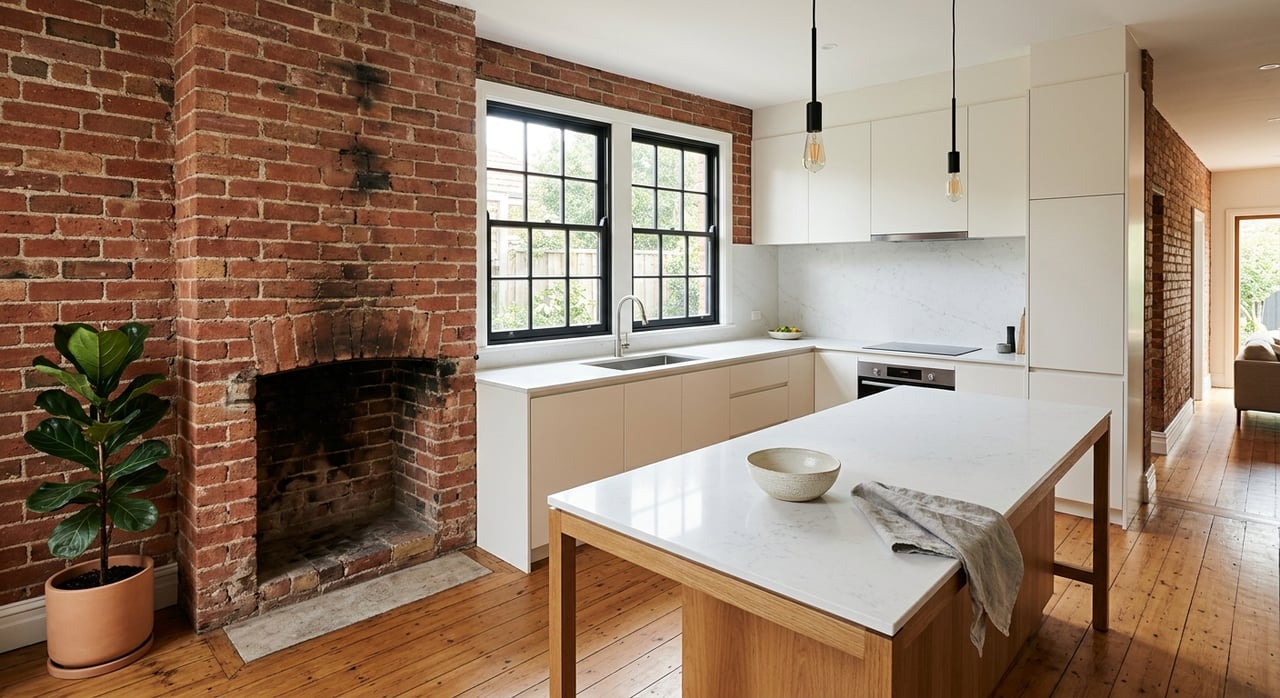
If you love old homes, Compton Heights can be hard to resist. The architecture is striking, the streetscape feels intentional, and the neighborhood’s historic character is part of what makes buying here so appealing. But if you are thinking about purchasing a historic home in Compton Heights, you also need to understand the rules, repair risks, and renovation costs that can come with that charm. Let’s dive in.
Why Compton Heights Stands Out
Compton Heights is one of St. Louis’ most distinctive historic neighborhoods. According to the Compton Heights neighborhood history, it was laid out by Julius Pitzman in 1888 and 1889 and designed with curved streets, wide setbacks, and private deed restrictions intended to preserve a low-density residential character.
That planning still shapes the neighborhood today. The area is described as a local historic district with more than 200 homes, and much of its home stock developed around the 1904 World’s Fair era. For many buyers, that means you are not just buying an older house. You are buying into a cohesive historic setting with a strong sense of place.
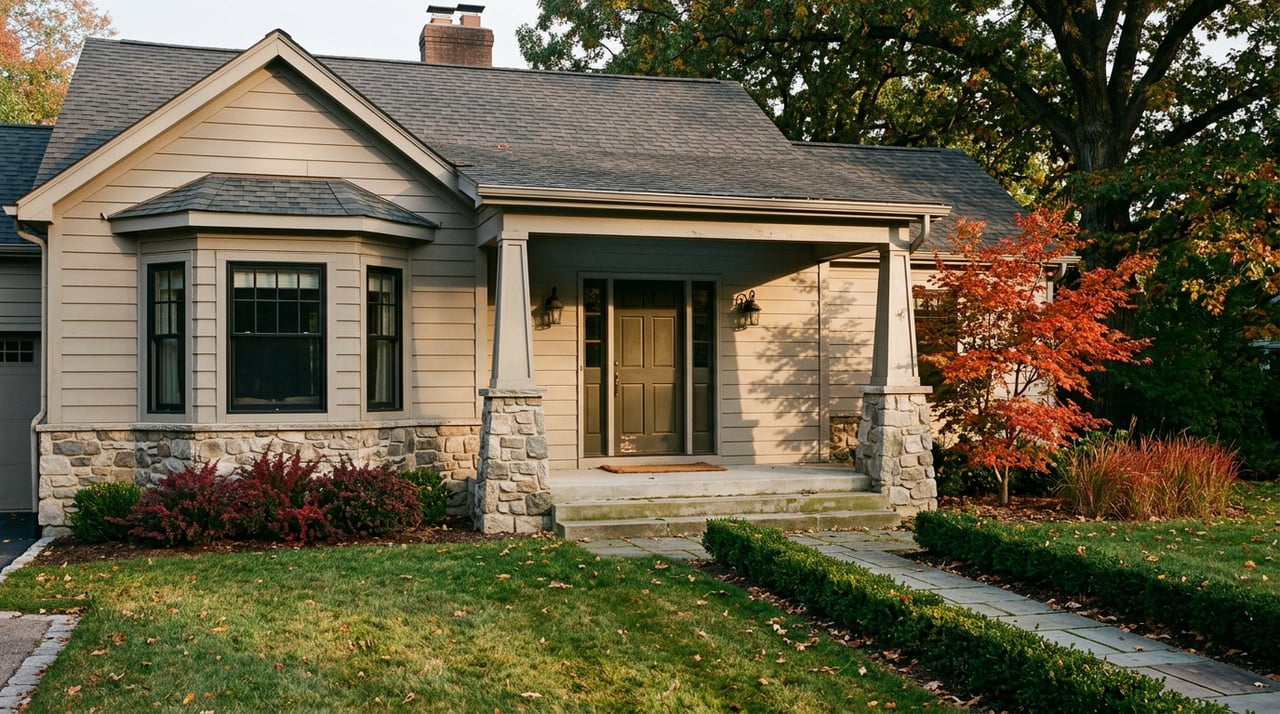
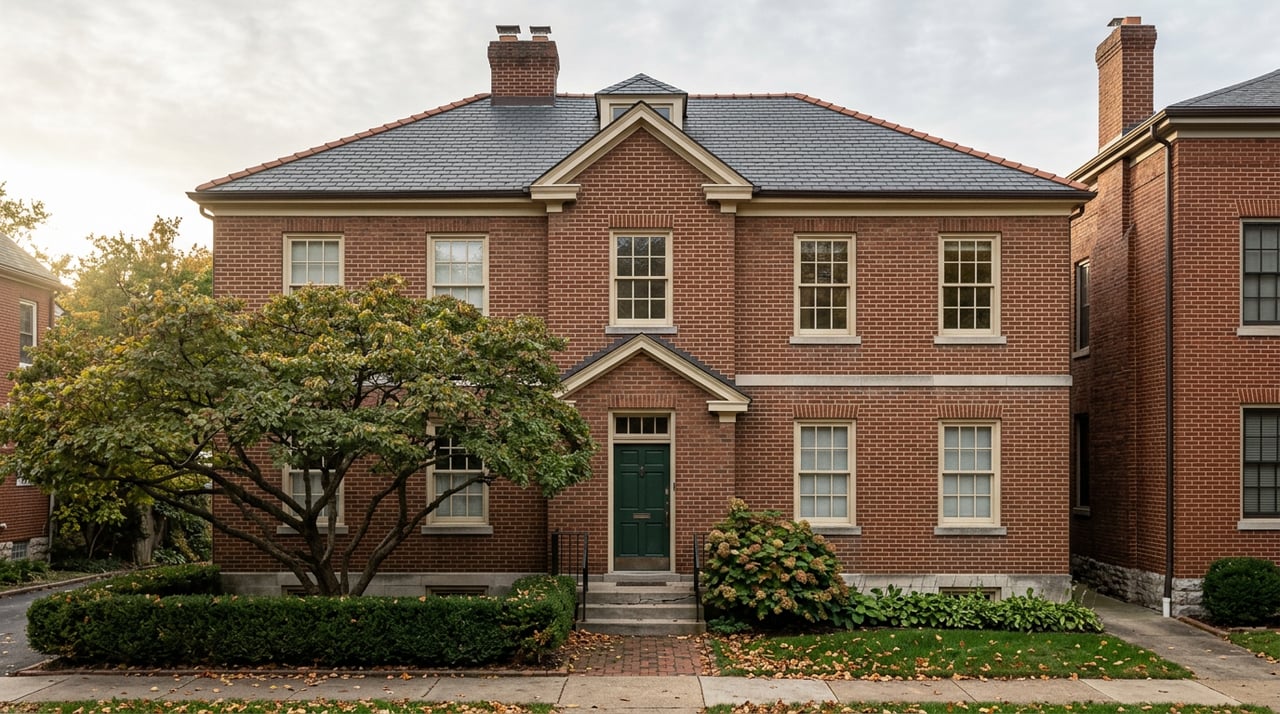
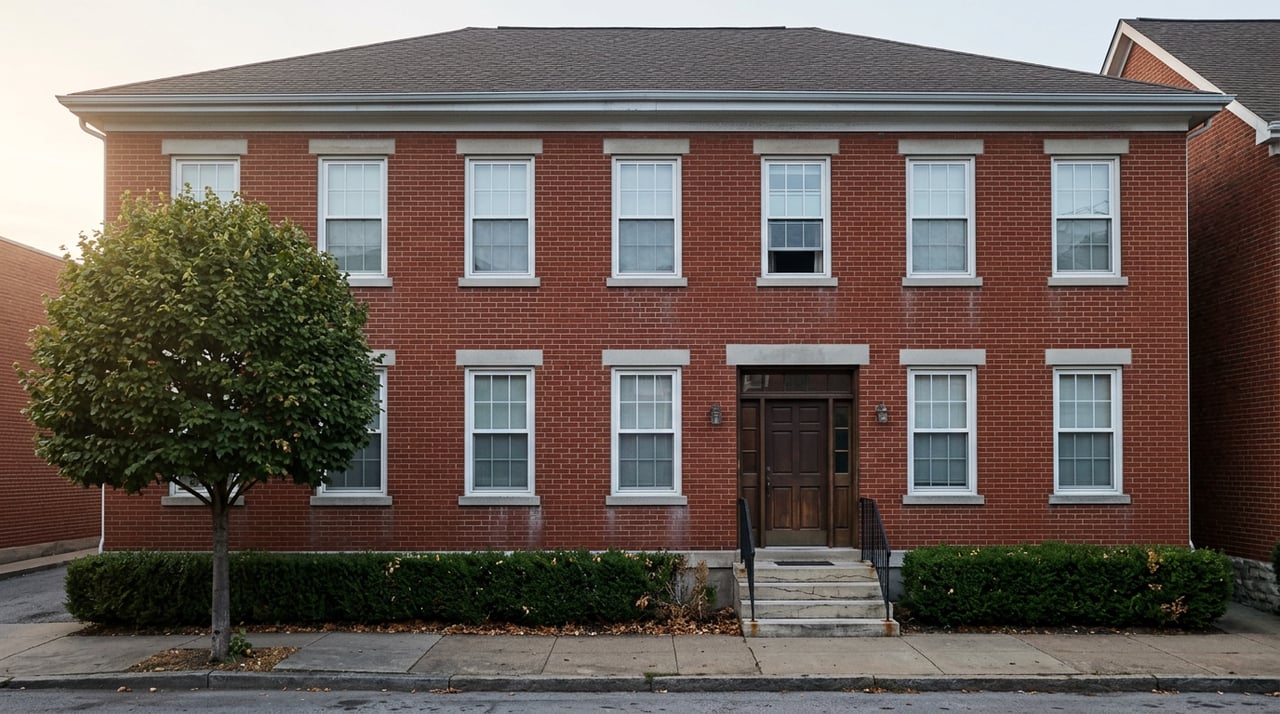
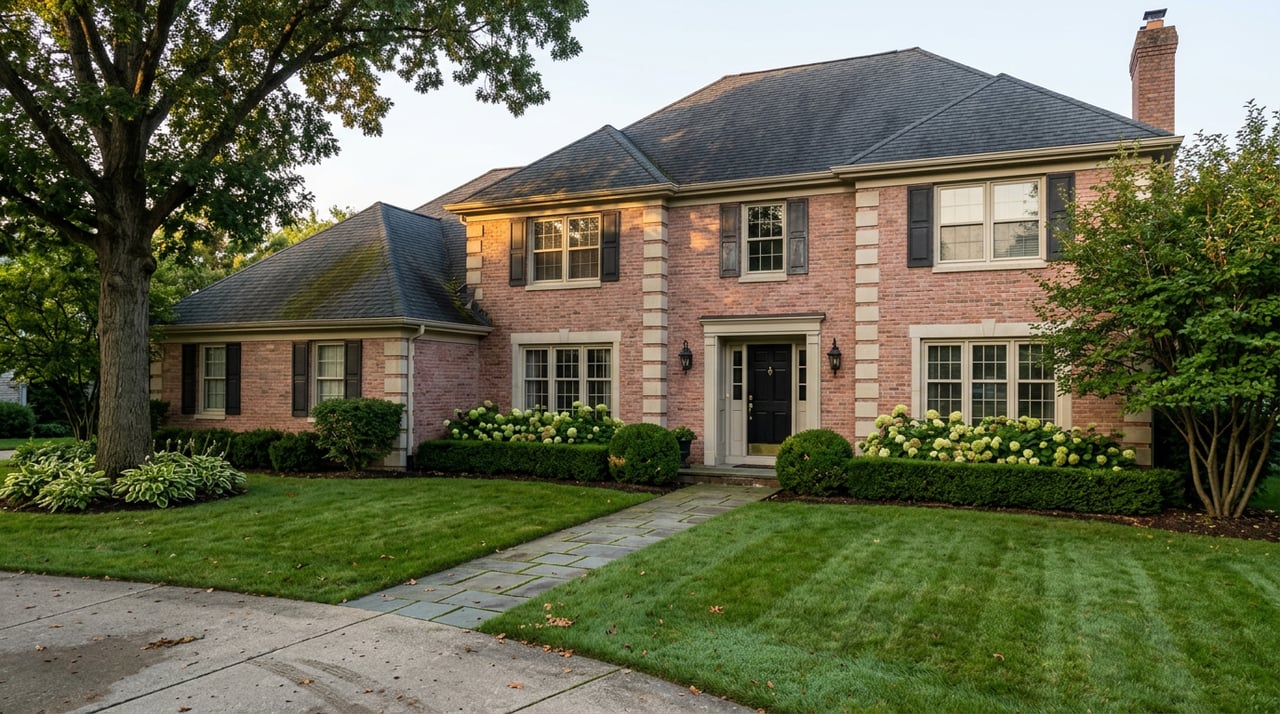
City preservation materials also show why the neighborhood feels so visually memorable. St. Louis preservation resources point to Queen Anne, Richardsonian Romanesque, Romanesque Revival, and other eclectic styles, often expressed through brick and stone façades, turrets, arches, deep window openings, and decorative masonry.
What You Are Really Buying
When you buy in Compton Heights, you are often paying for craftsmanship and neighborhood continuity as much as square footage. Many homes offer details that are difficult to replicate today, including masonry work, historic proportions, and architectural features that help the streetscape feel consistent from block to block.
That can be a real advantage over time. The same preservation framework that adds complexity to ownership also helps protect the broader look and feel of the area. If you value authenticity and want a home in one of St. Louis’ most recognizable historic settings, that is a meaningful reward.
Historic District Rules Matter
One of the biggest surprises for buyers is how much exterior work may be reviewed. Compton Heights is a Certified Local Historic District, which means exterior work on contributing buildings is reviewed by the city’s Cultural Resources Office, and permits cannot be issued without required approval.
That review process can cover more than major renovations. The city’s residential permit criteria notes that items such as windows, doors, gutters, downspouts, tuckpointing, fences, awnings, and even exterior painting may require approval in historic districts.
For you as a buyer, this affects both timing and cost. If you plan to close and immediately start work, you may need to account for review periods before permits are issued. The city also offers preliminary review for large projects, which can help reduce delays if you are trying to coordinate move-in and renovations.
Why Renovation Costs Can Run Higher
Historic homes can be expensive for the usual reasons, like age and deferred maintenance. In Compton Heights, costs can also rise because work often needs to be historically compatible, not simply functional.
The Compton Hill standards are clear about compatibility in scale, materials, roof shape, and architectural detail. They also discourage some lower-cost modern substitutes, including raw concrete block and mill-finished aluminum, and emphasize maintaining original architectural features instead of removing them casually.
In practical terms, that can mean a cheaper replacement option that might be acceptable elsewhere is not the right fit here. Budget pressure often comes from custom materials, skilled labor, and the extra time needed to complete compliant work.
Water and Masonry Are Early Priorities
In older masonry homes, moisture control is often one of the most important issues to evaluate. The National Park Service guidance on moisture says uncontrolled moisture is the most common cause of deterioration in historic buildings.
That is why roofs, gutters, downspouts, grading, drainage, and wall conditions deserve close attention during inspections. Visible stains are only part of the story. If leaks, settlement, or moisture intrusion are not addressed correctly, masonry damage can worsen over time.
This also matters when repairs are needed. The National Park Service recommends repointing masonry with mortar that matches the historic wall in composition, color, texture, and joint profile. That kind of specialized work can cost more than standard patch-and-seal repairs, but it is often the right approach for an older brick home.
Windows Can Be a Major Decision
Historic windows are one of the biggest fork-in-the-road issues for buyers. If they are in poor condition, many buyers assume replacement is the obvious answer. In a historic district, it is usually not that simple.
The National Park Service window guidance says deteriorated historic features should be repaired rather than replaced whenever possible. If replacement is necessary, it should match the original design, color, texture, and, where possible, materials.
That can influence both your budget and your renovation strategy. In some cases, weatherstripping and storm windows may improve performance while preserving the original windows, which can be especially useful in a district where visible exterior changes are tightly regulated.
Lead Paint Is a Real Consideration
Because many Compton Heights homes were built before 1978, buyers should assume lead-based paint may be present unless testing shows otherwise. The EPA explains that older homes are more likely to contain lead paint and recommends certified inspections or risk assessments.
This matters because renovation plans can change quickly once painted surfaces are disturbed. What looks like a cosmetic update may require lead-safe work practices if the home contains lead-based paint. That can affect contractor selection, timelines, and total cost.
Mechanical and Structural Updates Add Up
Many historic homes need more than cosmetic work. Plumbing, electrical, heating, air conditioning, roofing, porches, foundations, gutters, and structural repairs are all common big-ticket categories in older properties.
One useful reference point is HUD’s 203(k) rehabilitation program, which lists many of these systems as eligible rehab items. While every purchase is different, the program reflects the reality that century-old homes are often bought with a renovation plan in mind, not simply as turnkey properties.
If you are evaluating a Compton Heights home, it is smart to think beyond the visible finishes. An elegant foyer and original woodwork can be wonderful, but the real budget questions often sit behind the walls, under the roof, or below grade.
Deed Restrictions Need a Closer Look
Another issue buyers should not overlook is private deed restrictions. According to the Compton Heights history page, some parcels may still be affected by original restrictions tied to the Compton Hill Improvement Company.
Those restrictions may limit a lot to one private residence, prohibit business use and rental flats, and regulate setbacks, fences, and lot grading. The history also notes that successors are bound by the restrictions. If you are considering a conversion, rental plan, or home-based business idea, deed history should be reviewed before you make assumptions.
Are Historic Tax Credits Available?
Tax credits are often part of the conversation when buyers consider a historic property, but the rules are specific. The Missouri Department of Economic Development says the Missouri Historic Preservation Tax Credit provides a 25% credit for approved historic structures in St. Louis City.
Missouri State Parks also notes that owner-occupied homes may qualify under the state program, while federal historic rehab credits apply to income-producing properties, not private residences. Missouri’s program requires qualifying rehab expenses to exceed 50% of the property’s basis, and applicants are advised not to start work before signed approval.
For buyers, the key takeaway is simple. Do not assume a project will qualify, and do not start work without understanding the approval process. If incentives are part of your financial plan, you want clarity early.
The Rewards of Buying Here
For the right buyer, the rewards can be substantial. Compton Heights offers architecture, neighborhood character, and a preserved streetscape that are difficult to find in more conventional housing options.
There is also a strong stewardship culture. The neighborhood association’s house tour helps support preservation work, which reflects the level of community investment in maintaining the district’s character. That kind of long-term care can be appealing if you want a home in a place where the historic identity is actively protected.
The Tradeoffs to Expect
The same qualities that make Compton Heights special also make ownership more demanding. Renovations can require approvals, like-kind materials, and specialized labor. Maintenance can be more involved, and your buyer pool at resale may be narrower than in a typical subdivision.
That does not make buying here a bad move. It simply means the best fit is usually someone with a longer ownership horizon, a healthy repair reserve, and a genuine appreciation for historic homes.
If you are considering a purchase in Compton Heights, the smartest approach is to go in with clear eyes. With the right planning, a realistic budget, and good due diligence, the rewards can absolutely outweigh the risks. If you want help evaluating historic homes in St. Louis with a practical, market-savvy lens, connect with Adam Briggs for personalized guidance.
FAQs
What makes Compton Heights different from other historic St. Louis neighborhoods?
- Compton Heights stands out for its 1888 to 1889 planned layout, curved streets, wide setbacks, strong concentration of late-Victorian and early-20th-century architecture, and its status as a Certified Local Historic District.
What exterior work on a Compton Heights home may need city approval?
- In Compton Heights, exterior items such as painting, windows, doors, gutters, downspouts, tuckpointing, fences, awnings, and similar work may require review and approval before permits are issued.
What inspection issues should buyers prioritize in a Compton Heights historic home?
- Buyers should pay close attention to moisture-related issues, including roofs, gutters, downspouts, grading, drainage, masonry condition, and signs of long-term water intrusion.
Can buyers replace old windows in a Compton Heights historic home?
- Possibly, but repair is generally preferred when feasible, and any replacement typically needs to match the original design and materials as closely as possible.
Are there lead paint concerns when buying a historic home in Compton Heights?
- Yes. Because many homes in the neighborhood were built before 1978, buyers should assume lead-based paint may be present unless the property has been tested.
Do historic homes in Compton Heights qualify for tax credits?
- Some may. Missouri’s historic tax credit may apply to approved projects in St. Louis City, including some owner-occupied homes, while federal credits are generally for income-producing properties rather than private residences.