A buyer called us in early August with two numbers in hand. One site, still displaying figures dated earlier in the year, put University City's median home price at $399,000. Her preapproval was closer to $280,000, and she wanted to know if she should even bother looking. Then she pulled up the live MLS feed and found active listings carrying a median list price of $224,900, a swing of nearly $175,000 between two pages open in the same browser tab.
She hadn't found an error. She had found the actual shape of University City's housing stock, which is wider and stranger than a single median can hold, and a set of aggregator numbers that were never measuring the same moment in time to begin with.
Four Numbers, Four Different Moments in Time
Pull University City housing data from a handful of sources and the figures scatter, and the dates matter as much as the dollars. As of mid-August 2026, live MLS listings carried a median list price of $224,900 across 45 active properties, averaging 48 days on market. Zillow's home value index, last updated June 30, 2026, put the typical U City home at $276,020, up 2.5 percent over the year, with homes going to pending in about seven days. Pull back further and the swings get bigger: a market snapshot dated February 2026 put the median home price at $399,000 and the average sale price at $424,375, with homes sitting for 81 days against a national average of 54, and active listings that month ranging from $77,900 to $3,650,000. Further back still, closed sales in November 2025 carried a median of $330,000, with days on market climbing from 26 to 31 year over year and the count of homes sold rising from 27 to 37.
None of these numbers are wrong. They are dated snapshots built on different definitions of price, pulled at different points in the year, describing a city where the underlying stock swings from under $80,000 to well over $3 million. A median list price only reflects whatever happens to be sitting active that week. A value index smooths and lags behind actual closings. A median sale price reports last month's transactions, which can swing hard on a small sample size. Layer those different measurement methods across different calendar months onto that kind of stock width, and a single blended number stops being useful for anyone trying to set a real budget today.
Why the Spread Is Real, Not Just Statistical Noise
University City earned its reputation as a walkable, tree-lined inner suburb, but it was never built as one housing product. Drive a few blocks in almost any direction and the housing type changes underneath you.
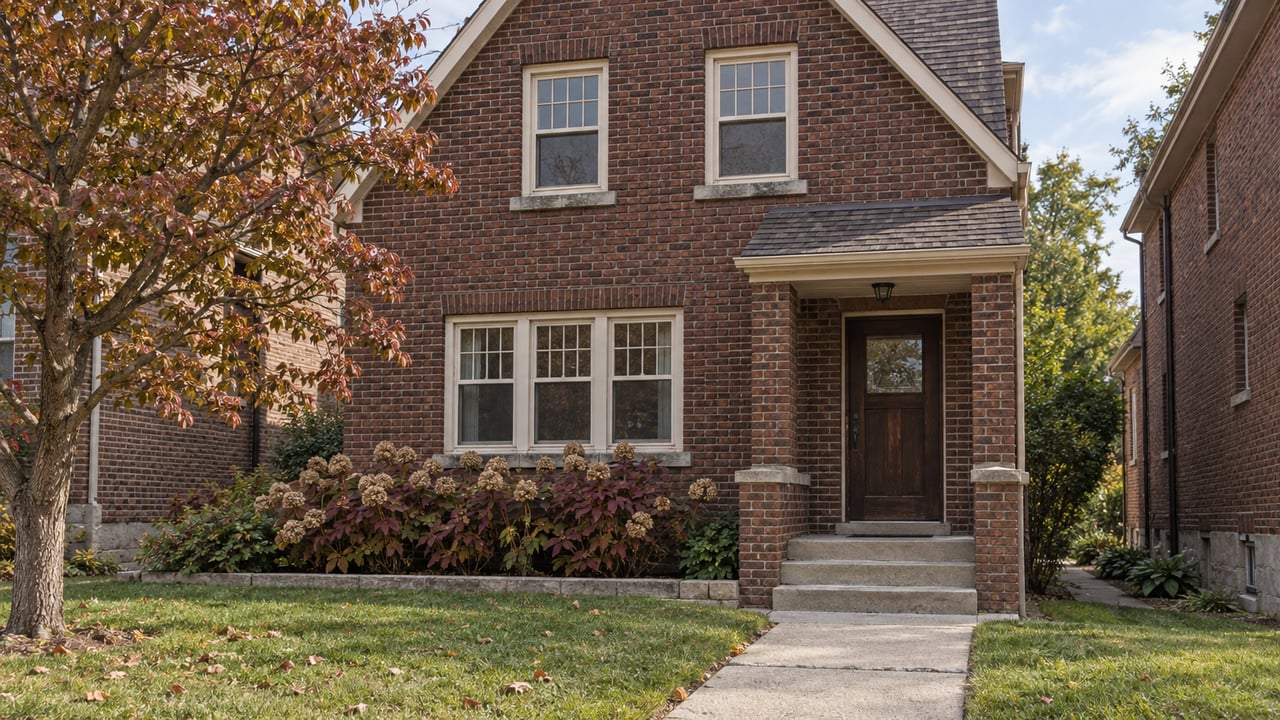
University Heights No. 1, just west of the Delmar Loop and behind University City's historic City Hall, was platted in the early 1900s by Edward Gardner Lewis, the founder of University City, as part of the City Beautiful vision tied to the 1904 World's Fair. It carries a National Register of Historic Places listing today, and its early 20th century housing stock, most of it built between the 1900s and 1920s, tends to sit at the higher end of what the city offers.
University Hills is a different kind of expensive. It is the pocket where architecturally significant lots draw teardown-and-rebuild interest, where a recent listing offered a cleared lot with a complete plan set from a named architect ready to build, and where a five-bedroom home on Pershing Avenue listed near $999,000 this August. It is also home to older character homes still trading well under that number, which is exactly why a single median for the pocket would mislead just as badly as a citywide one.
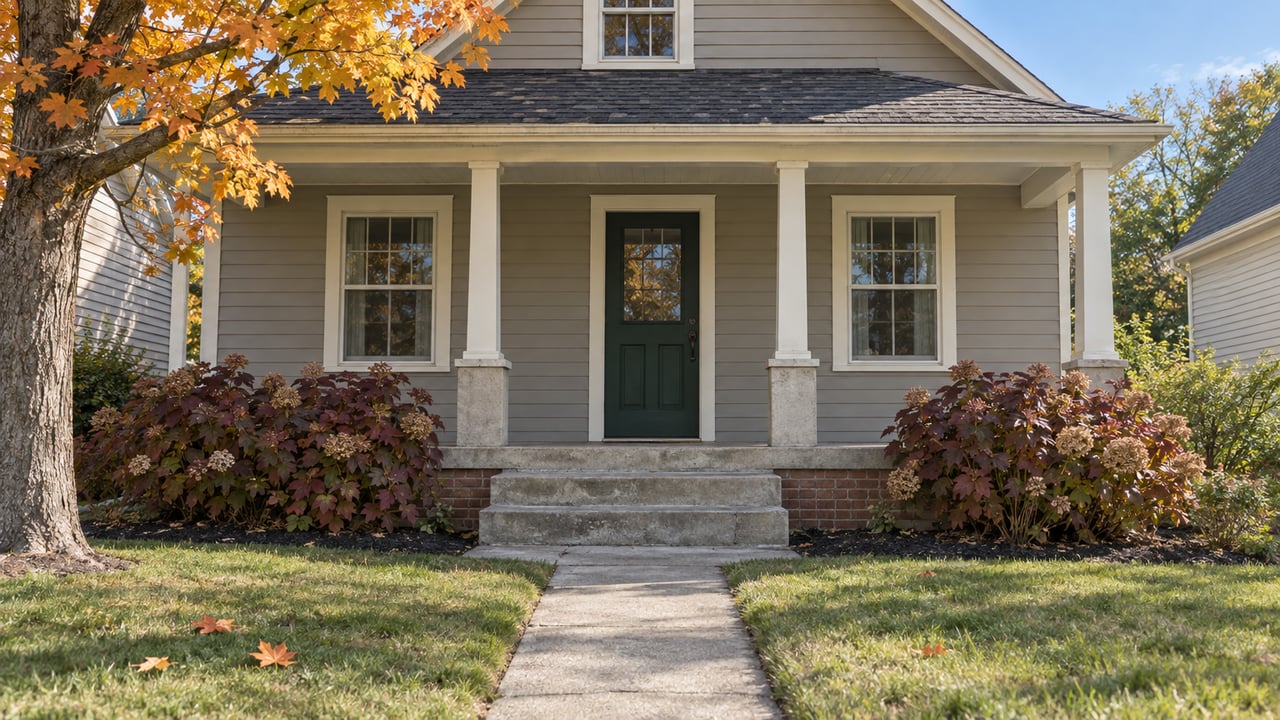
Then there are the quieter, more modest blocks: Parkview Gardens and the Village of University Place, where smaller lot sizes and older duplex stock keep entry prices well below the city's blended figures. A three-bedroom, two-and-a-half-bath home near Nob Hill Lane closed in January 2026 for $250,000 after 36 days on market, a useful anchor for what "affordable University City" actually looks like on paper.
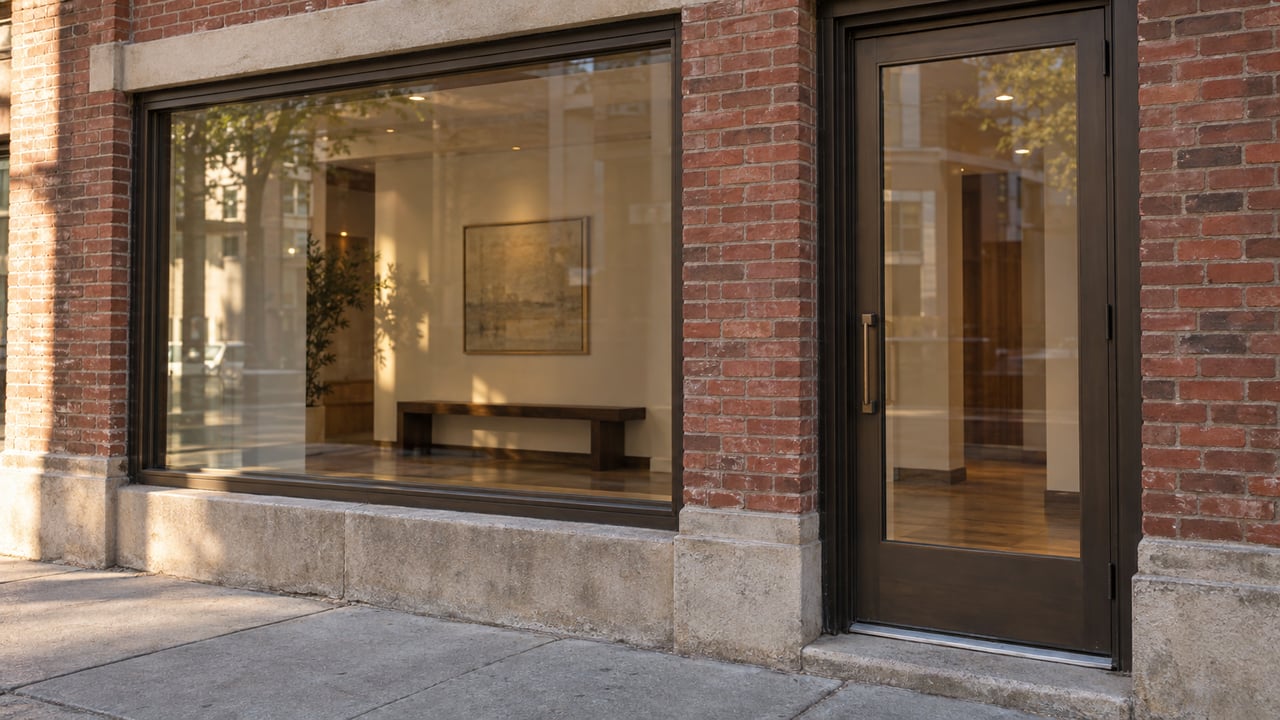
And the Delmar Loop corridor is its own category entirely, mixing early-1900s brick single-family homes with vintage condo conversions and small apartment buildings, all within a short walk of the entertainment district.
| What's there | Rough price behavior | |
|---|---|---|
| University Heights No. 1 | Early 1900s to 1920s architecture, National Register district, planned by the city's founder | Higher end, condition-dependent |
| University Hills | Mix of older homes and teardown-rebuild lots, architect-designed new construction | Widest range, from mid six figures to near $1 million |
| Parkview Gardens / Village of University Place | Smaller lots, older duplex and starter stock | Most affordable tier |
| Delmar Loop corridor | Century-old homes, vintage condo conversions, small apartment buildings | Varies block by block, condo pricing distinct from single-family |
A Fifth Category Is About to Join the Comps
The Loop corridor is also where the newest variable is landing. LOCAL on Delmar, a five-story, 259-unit development at 6650 Delmar Boulevard from Subtext and Larson Capital Management, broke ground on the site in January 2025 and was projected at the time to open this summer. The project spans nearly 400,000 square feet on just under two acres, with studios through three-bedroom units, ground-floor townhomes facing Delmar, and street-level retail space built in.
For a buyer comparing what's already on the market, this matters because it introduces a brand-new, amenity-heavy rental product directly adjacent to a century-old housing stock that has never had to compete with it before. Appraisers and comps don't adjust instantly. Over the next few sale cycles, expect some noise in Loop-adjacent condo and small-multifamily pricing as the market figures out where this new supply sits relative to the vintage buildings around it.
The Loop's seasonal rhythm continues alongside all of this. The Loop Trolley's 2026 season runs Thursdays through Sundays from April 30 through October 25, connecting the University City Library to the Missouri History Museum in Forest Park, a detail worth knowing if you're weighing how much foot traffic and seasonal activity a Loop-adjacent address will see.
What This Means If You're Actually Shopping Here
Stop budgeting off a citywide number. Ask which of these pockets a listing sits in, then ask for closed comps from that pocket specifically, not the city average. A $350,000 budget behaves completely differently on a Parkview Gardens block than it does on a University Hills street with teardown activity next door.
Watch days on market as closely as price. A listing sitting past 60 days in a market where the broader city average hovers in the 30s to 50s is telling you something about condition, pricing, or both, not just about buyer hesitation.
If you're eyeing anything within a few blocks of the Loop corridor, factor in that new construction is about to change what "comparable" means there. A condo that looked fairly priced against 2025 comps may need a second look once LOCAL on Delmar's units start setting new benchmarks for finish level and amenities in the same radius.
A Few Questions Worth Asking Before You Set a Budget
Is University City a buyer's market or a seller's market right now? It depends entirely on which pocket you mean. Faster-moving value tiers behave more competitively while higher-end, architecturally distinct properties in places like University Hills can sit longer simply because the buyer pool for a $900,000-plus custom build is smaller than the pool for a starter home.
Why did a home near me sell for so much more than the number I saw online? Most portal medians and value indexes are citywide blends. A single sale in a historic district or a new-construction lot can sit well outside that blend without anything being wrong with the number, it's just describing a different slice of the market than your specific block.
Does the new construction near the Loop affect home values on nearby residential streets? It's reasonable to expect some adjustment as new units come online and comps catch up, particularly for condos and small multifamily properties within easy walking distance. Single-family blocks a bit further from Delmar are less directly exposed.
University City rewards buyers and sellers who think in pockets, not averages. If you want a read on what a specific street or building type is actually doing right now rather than a blended citywide figure, Adam Briggs can walk you through the comps that apply to your situation. Request a personalized home valuation with Adam and get a number built for your block, not the whole city.