Trying to decide between a brand-new subdivision and an established neighborhood in St. Charles? You’re not alone. Each offers a different daily rhythm, cost profile, and long-term upside, and the details can be hard to compare. In this guide, you’ll learn how neighborhood era affects lot size, HOAs, design variety, commute patterns, and resale so you can choose what fits your lifestyle and goals. Let’s dive in.
New vs. established: what changes
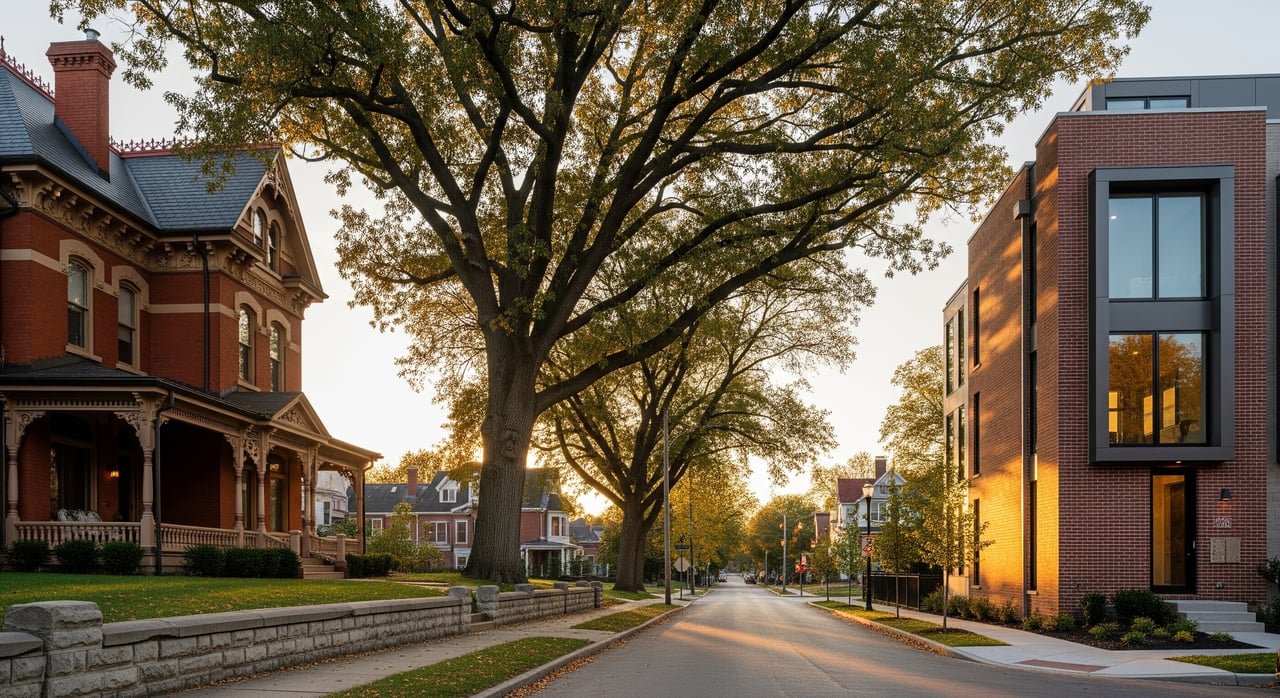
Newer subdivisions in St. Charles County often sit along growth corridors and are planned with contemporary living in mind. You’ll see modern floor plans, energy‑conscious systems, and organized amenity packages. Established enclaves, including the Historic Downtown St. Charles and nearby older subdivisions, trade on character, mature trees, and a connected street network that makes daily errands feel simpler.
Both choices can be great. Your best fit depends on how you value space, rules, convenience, and future flexibility.
Lot size and layout
Newer subdivisions typically optimize land use, which can mean narrower frontages and shallower depths for standard lots. Some master plans add “estate” sections with larger sites, but most streets are designed for privacy with curvilinear layouts and cul‑de‑sacs.
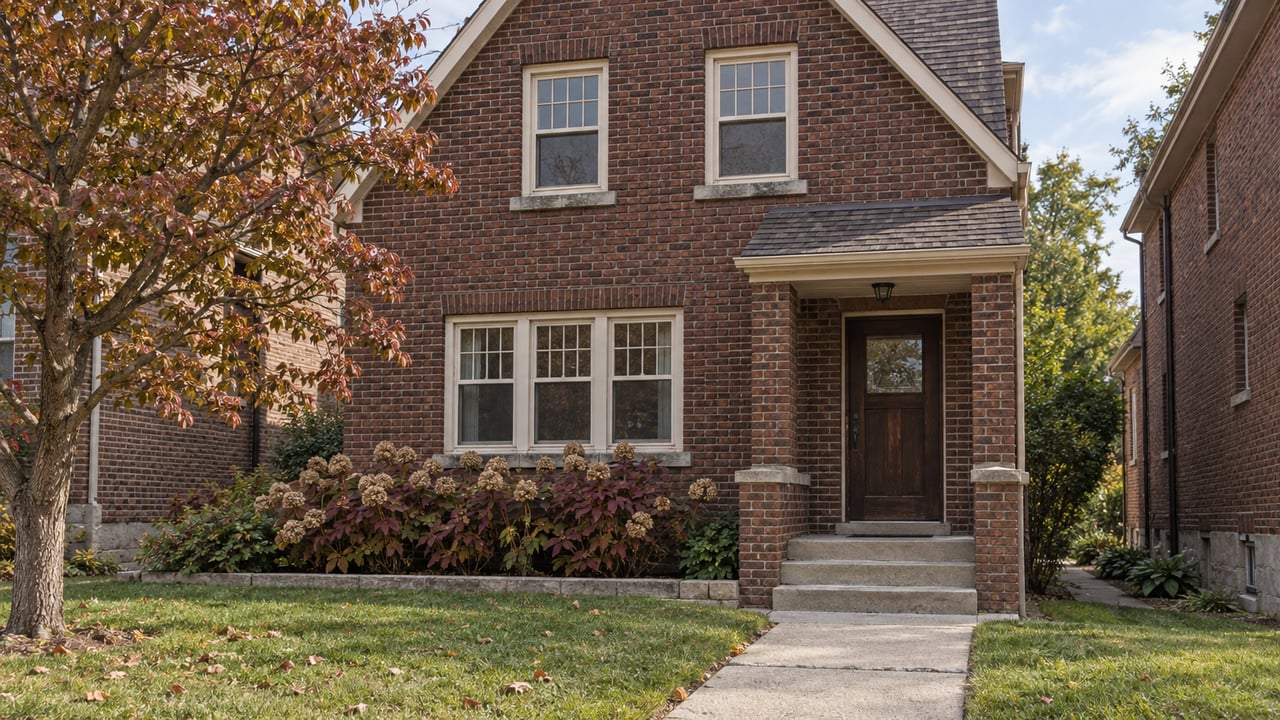
Established neighborhoods often have larger or irregular lots, deeper setbacks, and more space between homes. Mature landscaping and tree canopy are common, which adds shade and a sense of permanence. If you value yard depth, outdoor projects, or privacy from side neighbors, older areas frequently offer more options.
Streets, connectivity, and green space
New communities tend to limit through-traffic, which keeps speeds low but can add distance to nearby destinations. You may find internal trails, pocket greens, and playgrounds managed by the HOA as part of the original plan.
Older neighborhoods closer to the city core often sit on a grid or semi‑grid. That means more direct routes to shops, restaurants, parks, and services. Public parks and green spaces are typically city or county managed. You trade a formal amenity package for everyday convenience and walkability.
Infrastructure and upkeep
In new subdivisions, you benefit from modern utilities, stormwater detention basins, and often underground lines. Nearby construction can be active for years if the development builds in phases, which brings some noise but also new amenities over time.
In established areas, utilities and roads are older and may require periodic upgrades. Stormwater and drainage can be legacy concerns in certain pockets. If you buy older, budget for routine system updates and consider inspections that evaluate sewer laterals, drainage, and electrical capacity.
HOAs, covenants, and costs
You’ll find a higher likelihood of mandatory HOAs in newer master-planned communities. Dues typically fund landscaping for common areas, pond and stormwater maintenance, trails or pools, and sometimes private road upkeep or snow removal. Design review often applies to exterior changes, fences, and paint colors, which keeps a cohesive look.
Many established neighborhoods have no HOA or only voluntary associations. Where HOAs do exist in older areas, they typically focus on maintaining shared entrances or small common spaces with lighter design control. Your monthly carrying costs can be lower, but you have fewer shared amenities and less formal enforcement.
Both neighborhood types pay city and county property taxes. New construction can include incremental assessments tied to infrastructure, while older areas may face special assessments for road or sewer improvements. Read covenants, bylaws, and any assessment history before you commit.
Architecture and floor plans
Newer construction leans into open layouts, higher ceilings, flexible work-from-home rooms, and larger garages. You also get newer mechanicals, modern insulation, and builder warranty coverage for a defined period. Early maintenance needs are lower, though you should plan for punch-list items and normal settling.
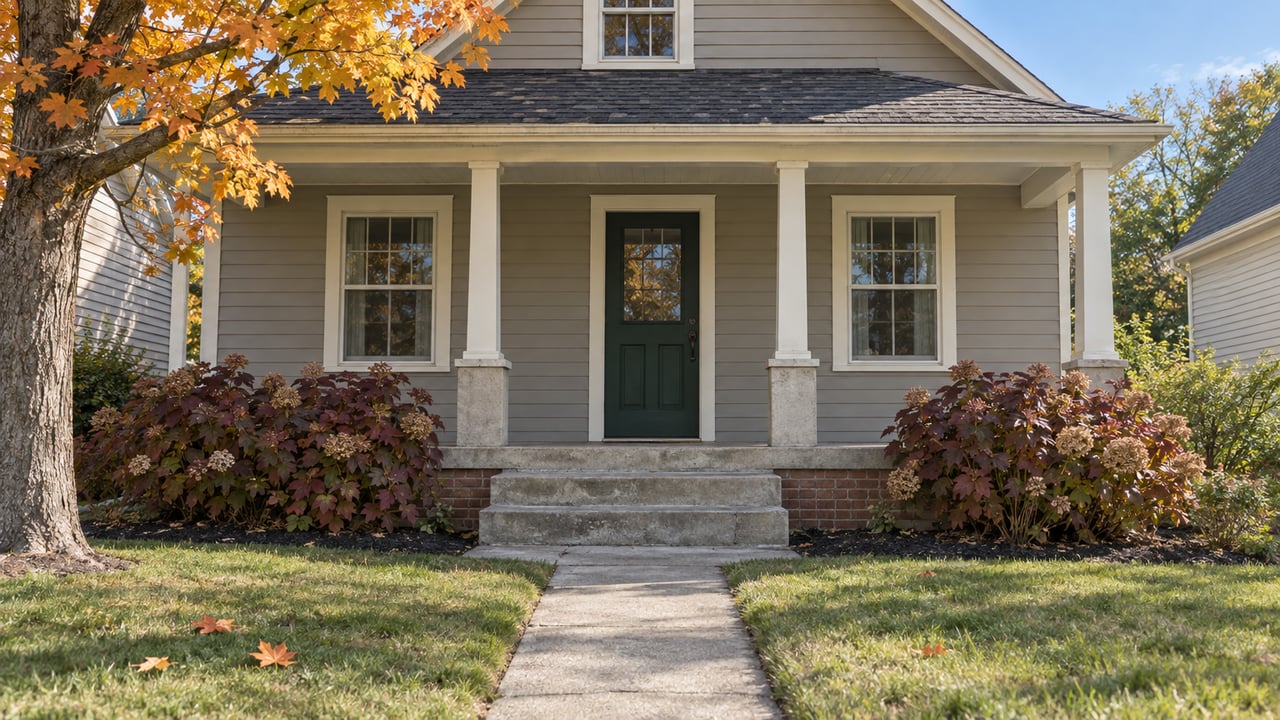
Established neighborhoods offer greater stylistic variety, from bungalows and mid-century ranches to traditional two-stories and historic homes near Main Street. Interiors may feature formal rooms, original millwork, and wood floors. You may want to reconfigure certain spaces or update systems, but the character and materials can be a draw.
If you’re interested in historic properties around the downtown and Frenchtown areas, note that local historic districts may require review for exterior changes. That process protects architectural integrity and can influence renovation timelines and choices.
Commutes and daily mobility
St. Charles connects to major job centers via Interstate 70, Route 94, Route 364, MO‑370, and U.S. 40 in parts of the county. Personal vehicles are the primary mode for most residents, and public transit options are limited compared with St. Louis County.
New subdivisions at the edge of growth often offer quick access to highways by design. That said, longer distances to regional jobs can add drive time in peak periods. Established neighborhoods closer to historic downtown or older commercial nodes shorten everyday trips to shops and events, and make walking or biking more practical for errands.
Before you decide, map drive times to your most frequent destinations during rush hour. Compare two or three neighborhoods at the same time of day to see how patterns change.
Resale and buyer demand
New construction draws buyers who want turnkey living, energy efficiency, and contemporary floor plans. That demand is consistent, but your resale can compete with future phases or nearby new builds. Lot size, neighborhood stability, and local services matter more than age alone.
Established neighborhoods with proximity to downtown amenities and strong connectivity often show durable demand. Condition and thoughtful updates drive value. Historic character can command a premium when the location is walkable, though the buyer pool may be narrower to those comfortable with ongoing care.
HOAs can support resale by maintaining standards, but higher dues or restrictive rules can deter price‑sensitive buyers or investors. Weigh predictability against flexibility based on your plans.
Who a new subdivision may fit
- You want a modern, open layout with energy‑efficient systems.
- You prefer amenities like trails, pools, or clubhouses maintained for you.
- You value consistent curb appeal enforced through covenants.
- You want lower near‑term maintenance and builder warranty coverage.
Who an established area may fit
- You want larger lots, mature trees, and varied architecture.
- You value shorter local trips to shops, restaurants, and events.
- You plan to personalize or renovate for long‑term enjoyment.
- You prefer fewer monthly fees and lighter exterior restrictions.
Hidden costs to check
- HOA fees, initiation charges, and any recent or planned special assessments.
- Utility lateral condition, roof and window age, and drainage in older homes.
- Floodplain status near the Missouri River or local creeks, plus insurance needs.
- Exterior change approvals in HOA or historic districts that can add time and cost.
How to choose your best fit
- Clarify your must‑haves. List the top five features that matter to your daily life, such as home office space, yard size, or walkable errands.
- Test drive the commute. Visit during peak hours to measure real travel times from two or three candidate neighborhoods.
- Evaluate total cost of ownership. Add HOA dues, likely maintenance, insurance, and any known assessments to your monthly mortgage estimate.
- Inspect for era‑specific risks. In older homes, get focused evaluations on sewer laterals, electrical capacity, and drainage. In new builds, review warranty terms and punch‑list procedures.
- Think about exit strategy. Ask how your target buyer will perceive the home in 5 to 10 years. Consider lot size, access to services, and rules that could affect future flexibility.
Local snapshots to keep in mind
- Historic Downtown St. Charles, Frenchtown, and the Main Street corridor feature brick storefronts, riverfront access, and preserved 19th‑century structures. Expect stronger walkability and unique housing stock.
- Mid‑century and late‑20th‑century neighborhoods closer to the core offer deeper lots and established landscaping with varied floor plans.
- Newer master‑planned communities in the county often add trails, ponds, and internal parks. Streets prioritize privacy and calm traffic, and HOAs manage common spaces.
Putting it all together
Choosing between a new subdivision and an established neighborhood in St. Charles is really about how you want to live day to day. If you want the ease of modern systems and predictable upkeep, a newer community may be the answer. If you crave space, character, and quick access to downtown experiences, older enclaves deliver a different kind of comfort.
If you want a clear plan tailored to your move, connect with Adam Briggs. With 700+ successful transactions and principal‑led service, you get direct guidance, data‑driven pricing, and a streamlined process whether you buy new, buy established, or sell first.
FAQs
What distinguishes new vs. established neighborhoods in St. Charles?
- Newer areas favor modern layouts, amenities, and HOAs with design standards; established areas offer larger lots, mature trees, and grid-like connectivity near downtown services.
How do HOAs differ between new and older areas?
- New communities commonly have mandatory HOAs funding amenities and enforcing exterior rules; many older neighborhoods have no HOA or lighter, voluntary associations.
Will a new home reduce maintenance needs?
- Yes in the near term, since mechanicals and materials are new and often covered by builder warranties, though you should still plan for punch‑list and normal settling.
How will location affect my commute from St. Charles?
- Edge-of-growth subdivisions often provide quick highway access but longer overall distances; older central areas shorten trips to shops and events while remaining car‑dependent for regional jobs.
Do older neighborhoods have better resale than new ones?
- Not by default; resale depends on location, lot size, condition, and nearby services, while historic character and walkability can add value where buyer demand is strong.
What hidden costs should I budget for when comparing areas?
- Plan for HOA dues and assessments, flood insurance where applicable, and system updates in older homes, plus any exterior approval processes in HOA or historic districts.